Stranger Things: To boycott or not?
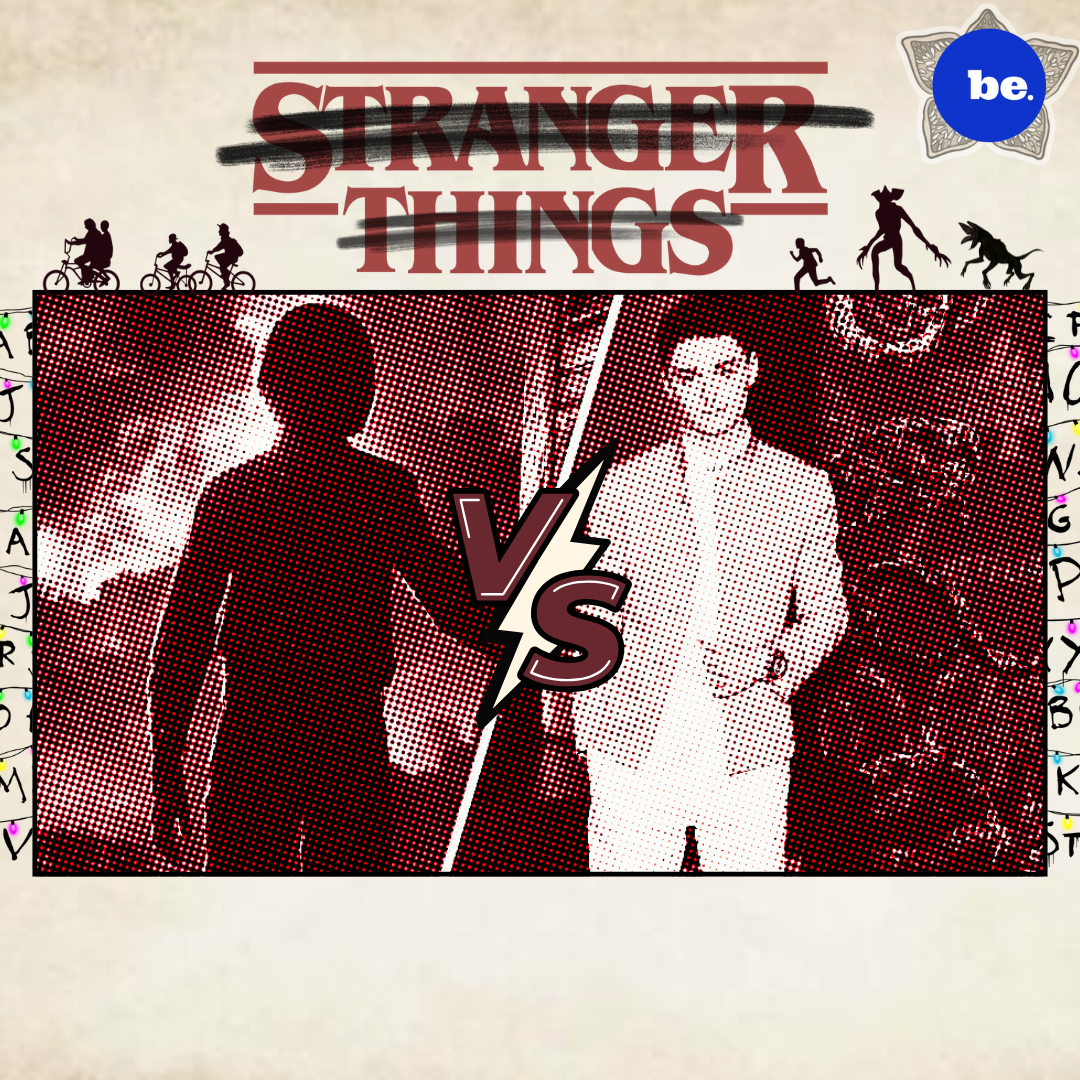
The fifth and final instalment of the Netflix hit series Stranger Things released its first volume on 26th November, immediately stirring controversy as netizens debated on boycotting the show altogether.
The scandal of one of the main cast members Noah Schnapp’s involvement in a video that promoted “Zionism is Sexy”, “Hamas is ISIS” stickers enraged viewers worldwide which prompted him to make an apology video. Adding to the tension, Brett Gelman who portrays Murrey in the show spoke in favor of zionism in a paparazzi interview.
Part of the reason Stranger Things has become the focal point of this intense backlash is due to its unparalleled global popularity. The discussion has shifted from simple fandom disputes to broader political implications of ethics and moral responsibilities of the audience which begs the question — how far can we separate the art from the artist in this day and age?
As Claire Dederer writes in her 2017 Paris Review essay “What Do We Do with the Art of Monstrous Men?”, the digestion of art created by artists with morally compromised biographies is never straightforward. She delved into the predicament of watching a great thing being created by questionable creators resulting in the inability of the audience to digest the media. Some people choose to turn away while others try to watch; either way it causes disruption.
Many students of BracU are urging people to boycott the show, while others are opting to pirate the show in order to avoid contributing to its official viewership count. “All in all I prioritize my moral ground over sources of entertainment,” explained a student while another student opined that many are joining the boycott conversation without being fully invested in it.
This discourse reveals the choices the audience make, whether to watch or to boycott, represent their ideas and values that feels right to them, presenting a dilemma with no definite resolution.