Guilty until proven human: The 21st century witch-hunt
University students have officially entered a fascinating new era of education, one where having a good vocabulary is no longer a skill but a potential liability. This generation is deeply familiar with artificial intelligence (AI). We use it to brainstorm, fix code, and occasionally help us figure out our lives. And yet, even when students deliberately avoid it, some are still being accused of using it anyway after their script is flagged by AI detection tools like Turnitin.
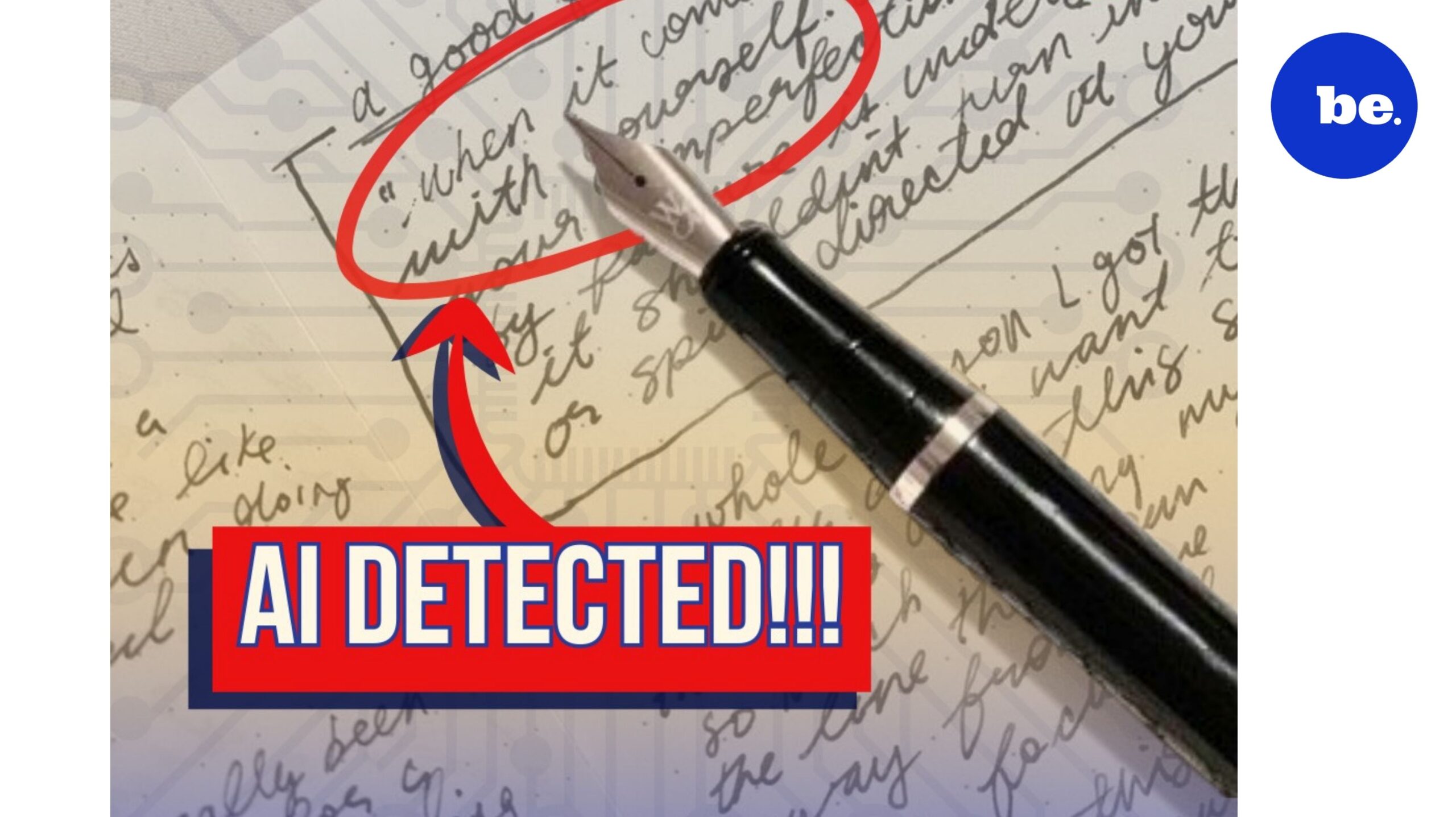
Turnitin’s AI detection feature is a system that looks at an essay written from a student’s own understanding and confidently suggests, “Too articulate. This is AI-generated.” Students across campuses report submitting original work, only to be met with an AI flag. Often, the supposed evidence is laughably mundane: a strong vocabulary, consistent tone, or yes, the use of hyphens.
These concerns are not hypothetical. Vanderbilt University recently disabled Turnitin’s AI detection tool due to false positives and the lack of transparency. Although Turnitin claimed a 1% false positive rate, this could still have meant hundreds of students being wrongly flagged. This led to multiple universities concluding that AI detection software is not an effective solution.
Being accused of using AI when you didn’t feels like this century’s version of a witch allegation. Md. Nazmul Hasan (Junior, SLS) says, “When my assignment got flagged as AI despite being original, it shocked me. And then I saw a social media post saying it also flagged Shakespeare’s work as AI.”
Some students have adapted. Jahrun Aranee (Junior, SLS) says, “While writing assignments, I avoid using any words that could come across as AI. Writing now is about appearing ‘human enough’ to pass an algorithm.”
Turnitin has acknowledged that its AI detection tool is not definitive and should not be used as standalone evidence. Md. Istiaque Hossain Molla (Senior Lecturer, GenEd) says, “AI use should support learning rather than replace human thinking. A self-declaration system allowing limited AI use would prevent students from being penalized when tools like Turnitin misclassify original work.”
AI is now a part of education. The problem arises when imperfect detection software is treated as authority rather than assistance. Students are not asking universities to ignore academic integrity. They are asking not to be treated like suspects simply for knowing how to write.