A ride was booked, accountability was not.
How many times must a life be broken before safety stops being a slogan and starts being a responsibility? On January 4th, a Brac University student, Saeed Mahbub Ismail, was injured in a motorcycle accident while travelling through one of the largest ride-sharing platforms in Bangladesh. Today, Saeed lies in the ICU on life support, having undergone brain surgery, with doctors offering no clear prognosis. Survival itself has been described as a miracle. A life now sustained by ventilators, uncertainty, and irreversible loss.
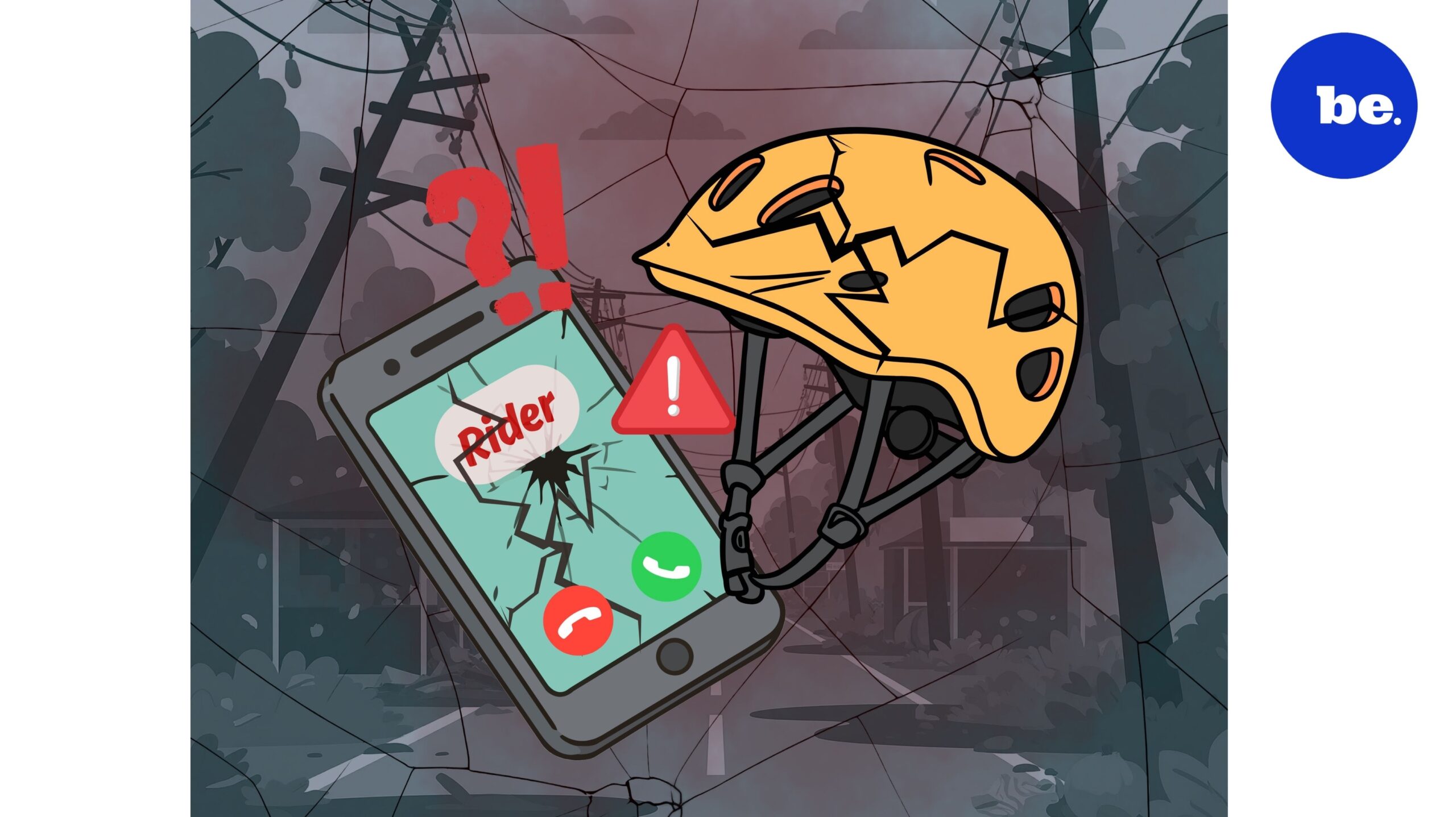
Friends describe the helmet as “closer to what is used for cycling than for motorbike riding”. Several point out that passengers are rarely informed about the quality of helmets or safety standards. No choice. No briefing. No moment where consent is truly informed. Just a blind trust handed over at the roadside, where it is more often than not, quietly exploited. When that trust failed, accountability did too. According to individuals present in meetings with the platform, there was no immediate or transparent investigation into the cause of the accident. Responsibility shifted repeatedly. At one point, the company reportedly described itself as “not that liable”, framing its role as merely connecting rider and passenger. Financial assistance was initially discussed as discretionary rather than obligatory.
This response is not incidental. Ride-sharing platforms often thrive in a grey zone. Large enough to dominate public transport, yet detached just enough to deny liability when lives are shattered. Passengers choose these platforms believing safety checks have already been done for them. That belief is not naive but rather, deliberately cultivated. A recent update indicates that, after public pressure, the platform has now committed to financial aid and announced initiatives to improve helmet use and safety standards. These steps matter. But they arrived only after outrage, after pressure, after a body lay motionless in an ICU.
If safety only matters after outrage, and responsibility only appears after damage is done, how many lives is this system prepared to sacrifice before it finally calls that negligence justice?