
Steadiest Returns in Oink Oink Oink Slot Recorded by UK Player
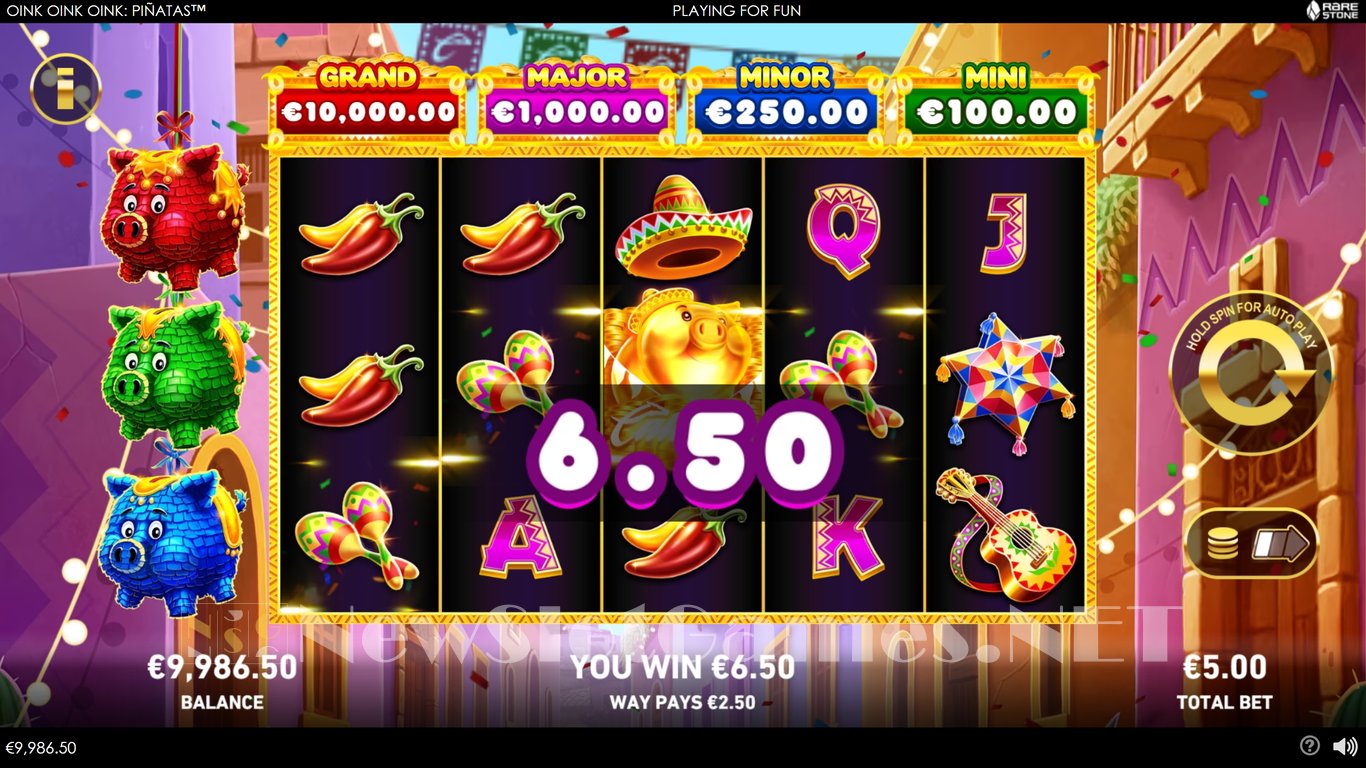
Within the dynamic realm of online slots, whereby fortunes can swing wildly, the concept of ‘steady returns’ often feels like a myth. Yet, a fascinating case has arisen from a dedicated UK player that has seemingly discovered a method for consistent play on oink oink oink tournaments Oink. I’ve analysed this game’s mechanics and the player’s strategy. While no slot promises wins, their approach highlights a disciplined, bankroll-focused way of playing that turns volatility into a more controlled, long-term entertainment experience. This is not about hitting a single jackpot; it’s about lengthening gameplay, controlling risk, and walking away sensing you obtained value for money—a principle many British players enjoy. This story represents a masterclass in pragmatic slot play, not a get-rich-quick scheme.
Analyzing the Oink Oink Oink Slot Risk Level
Before breaking down the strategy, we must understand the battlefield. Oink Oink Oink, a farmyard-themed slot, has cheerful graphics but a specific mathematical model. My analysis reveals it works with medium-to-high volatility. This means wins won’t land every other spin, but when they do, they are likely to be more substantial relative to the stake. For many, this contributes to dry spells punctuated by thrilling bursts. The UK player’s success stemmed from embracing this inherent volatility as a feature, not a flaw. They didn’t go after losses during quiet periods, recognizing that the game’s return-to-player (RTP) percentage works over millions of spins, not a single session. This acknowledgment is the foundation of their steady-returns philosophy, permitting them to play the long game without emotional frustration.
The Key Exit Strategy
Maybe the most critical part of attaining “steady returns” is recognizing when to stop. This player functioned with two non-negotiable rules: a loss limit and a win goal. The loss limit was their starting session bankroll—once gone, play stopped. More significantly, they set a conservative win goal, say 20-30% above their starting bankroll. Upon hitting this target, they would instantly cash out that profit and often end the session. This disciplined exit stopped the common pitfall of giving all winnings back. It changed the abstract concept of “winning” into a concrete achievable target, turning sporadic luck into a systematic result. This mindset shift from endless play to goal-oriented sessions is a professional hallmark.
A Money Management Guide
The bedrock of this player’s success was ironclad funds management, a notion commonly preached yet infrequently applied with so strictly. They began each gaming session with a predetermined amount they were willing to lose completely—a key psychological boundary. Importantly, they segmented these funds into units, with every bet being a minuscule share, often as low as of the overall session bankroll. This minuscule stake approach guaranteed even a prolonged losing streak could not catastrophically deplete their funds. For example, with a £100 session bankroll, a stake unit of £0.50 creates 200 playing opportunities. This system turns the slot machine into an extended, captivating session, enabling natural variance to play out without fear of loss, which is crucial for any plan focused on consistency over chance.
Frequent Pitfalls to Steer Clear of for Consistent Play
To replicate this consistency, you must deliberately avoid common mistakes. I’ve seen players fail by succumbing to these traps over and over. The main errors to avoid include emotional betting, where you increase stakes out of frustration or excitement, completely dismantling your mathematical model. Another is ignoring session limits, persuading yourself “just one more spin” when you’ve hit your loss limit. A third is neglecting to lock in profits; letting a win goal slip because you feel lucky assures the money will cycle back. Finally, playing with money earmarked for essentials introduces destructive pressure. Steering clear of these builds the groundwork for a more consistent experience.
Why This Strategy Connects with UK Players
This case study resonates with a UK gaming community segment that values skill, discipline, and worth over pure chance. There’s a cultural understanding for a “good punt” where entertainment and intellectual stimulation are part of the package. The methodical method of setting limits, managing funds, and having a clear strategy fits the responsible gaming principles promoted by UK regulators. It frames slot play not as a desperate bid for riches, but as a leisure activity with clear guidelines, much like budgeting for a night out. This reasonable, controlled style suits players who enjoy the thrill but demand a system to keep it enjoyable and sustainable over the long term.
Bet Amounts: The Foundation to Steadiness
Developing bankroll management, the specific bet sizing tactic was game-changing in its straightforwardness. The player sidestepped the common trap of boosting bets after a win or, more dangerously, after a loss. Their bet size remained constant. This flat-betting approach is counter-intuitive to the thrill-seeker but is statistically robust for safeguarding capital. It eliminates the emotional decision-making that leads to rapid drain. By sticking to a small, fixed bet, they extended playtime, allowing the game’s features and bonus rounds sufficient time to trigger organically over time. This patience is where the potential for more consistent returns truly lies, as it harmonizes your actions with the game’s probabilistic design rather than your short-lived impulses.
Targeting Special Features Methodically
Even though Oink Oink Oink isn’t too complicated, its bonus rounds constitute the main source for greater winnings. The player realized that activating these bonuses was the goal, but they didn’t force it. Their low, consistent bet size enabled them to withstand the intervals between bonuses without significant damage. They supposedly stayed away from “buy bonus” features, as these typically come at a higher cost and diminished anticipated worth than activating them naturally. Their patience resulted in when free games occurred, the payout, even from a lower wager was usually sufficient to restore their balance and produce a tidy gain, which they would then secure. This precise targeting is a key tactical nuance.
Tools and Attitude for Long-term Slot Play
Implementing this method requires the right resources and attitude. Practically, use the gambling site’s responsible gaming tools: set deposit boundaries, playtime alerts, and stop-loss limits directly on the platform. Psychologically, cultivate a attitude of measured entertainment. View your session bankroll as the entry fee for your fun, not an asset. Celebrate a session where you achieve your win goal or simply enjoyed extended playtime. Keep a simple log to track control. To implement this well, focus on 3 main pillars:
- Preparation: Establish your session bankroll, unit value, and limits before you hit spin.
- Execution: Maintain your predetermined bet size regardless of short-term wins or losses.
- Review: Following each session, record what was effective and whether you stuck to your approach.
FAQ
Is it truly possible to guarantee steady returns from a slot like Oink Oink Oink?
No, there is no way to guarantee returns. Slots are games of chance. The “steady returns” concept refers to a disciplined strategy that manages your bankroll to minimise risk, prolong playtime, and create a more consistent experience, making inherent volatility easier to handle without large losses.
What is the most important part of this UK player’s strategy?
The cornerstone is rigid bankroll management and fixed bet sizing. By setting your session loss limit in advance and betting a tiny, fixed percentage of it, you protect yourself from emotional decisions and ensure you can survive the game’s natural dry spells, allowing features to trigger over time.
Isn’t it boring to use such small, fixed bets?
It moves the excitement from bet size to strategy and session goals. The thrill comes from executing your plan, hitting your win target, and enjoying a long, engaging session. It’s satisfaction focused on control and sustainability rather than the adrenaline of high-stakes risk.
How can I set a realistic win goal and loss limit?
Your loss limit should be an amount you can comfortably afford to lose for that entertainment. A realistic win goal is a modest percentage of that, like 20-50%. For a £50 session, a £10-£25 profit goal is sensible. Be strict about quitting once either limit is reached.
Does the Oink Oink Oink slot’s RTP support this strategy?
The game’s published RTP indicates the theoretical long-term payout. A bankroll management strategy doesn’t change the RTP, but it allows you to play through natural variance without blowing your budget, giving the RTP a better chance to manifest over your extended playtime.
How should I approach using the “Buy Bonus” feature to trigger rounds faster?
Generally, steer clear of “Buy Bonus” features in this steady-returns approach. They usually cost more than the average bet to trigger the bonus naturally and can have a lower RTP for that feature. Patience through standard spins matches a disciplined, value-focused strategy.
A Final Note on Bonus Buys:
While tempting, purchasing bonuses upsets the careful bankroll calculus. It’s a high-cost shortcut that typically offers poorer value, weakening the patient, statistical foundation of the strategy discussed here. For true consistency, organic triggers are best.
