
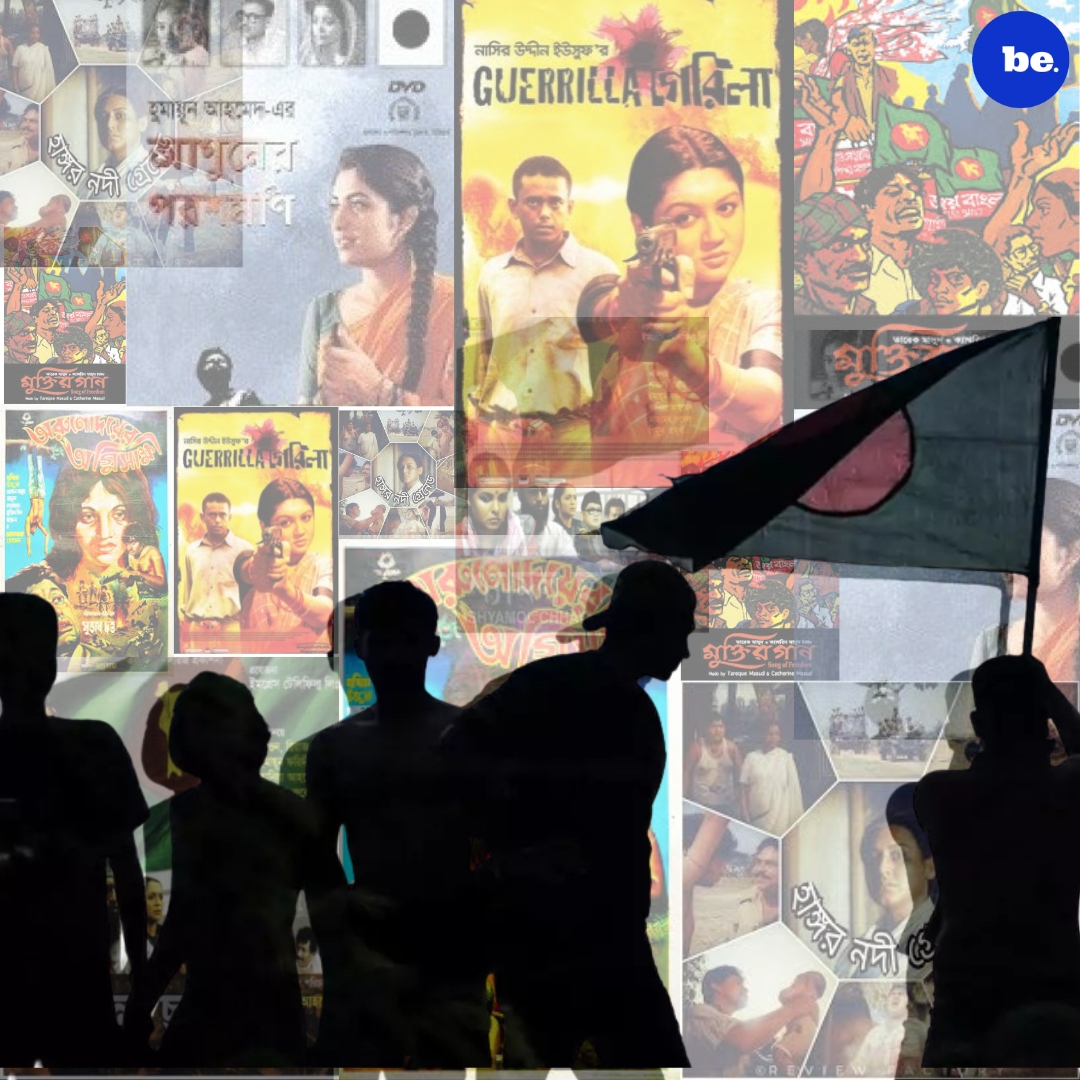
Remembering the spirit of 1971 through cinema
The people of this nation carry the memories of 1971 not only in books but also in the authentic scenes etched into classic films, a raw portrayal of war, intimate stories of ordinary people, and the spirit of independence. Here are a few classic films to watch to revisit that legacy.
- Stop genocide (1971): Zahir Raihan’s real-time documentary of found footage of global conflict and an appeal with “STOP”. Opening with Bangladesh’s tranquility replacing gunshots, to the havoc in Vietnam and Nazi camps, the film showed the unnerving reality of genocides.
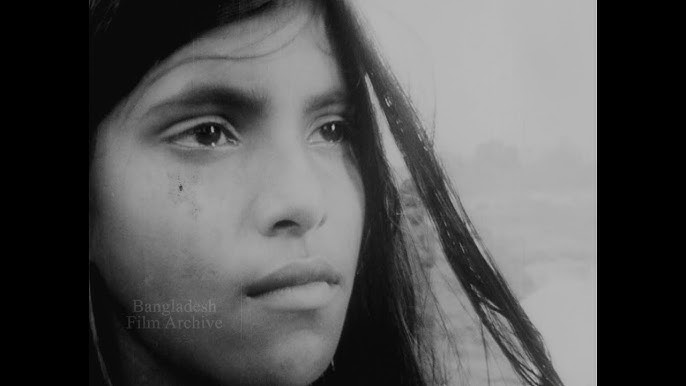
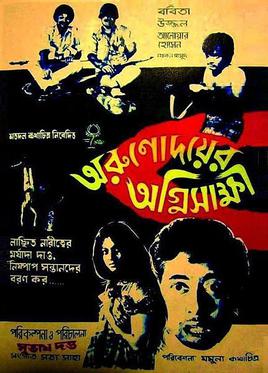
- Orunnodoyer Ognishakhhi (1972): The second war film released after independence demonstrates the abhorrent treatment inflicted upon women and war babies victimized by wartime sexual violence. The film is an attempt at their acceptance in society, portraying societal wounds left by war.
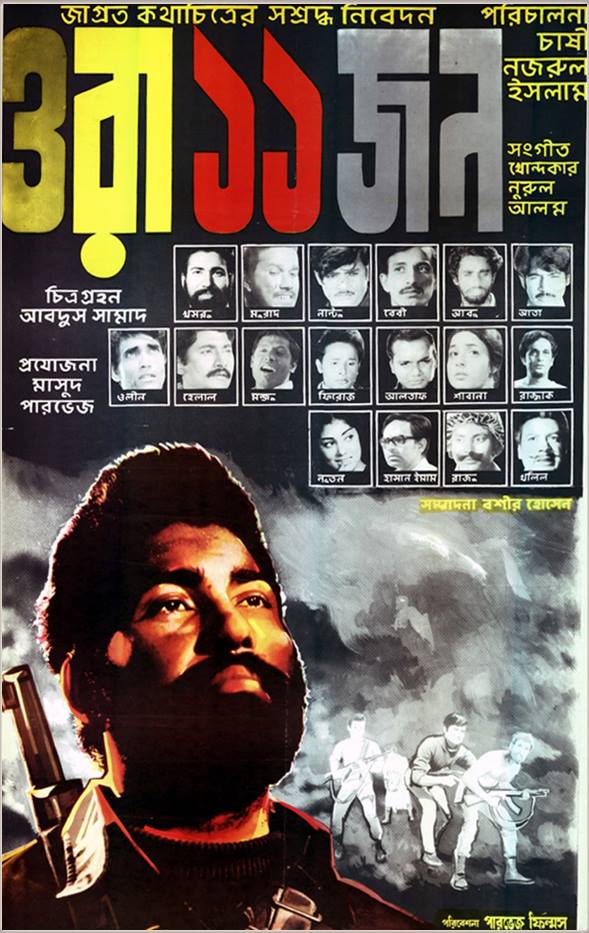
- Ora 11 Jon (1972): Committed to realism, actual Mukti Bahini veterans enacted with real ammunition used in the war to echo the stories of 11 freedom fighters’ lives upended by war atrocities, but ending with “Ek Shagor Rokter Binimoye.”
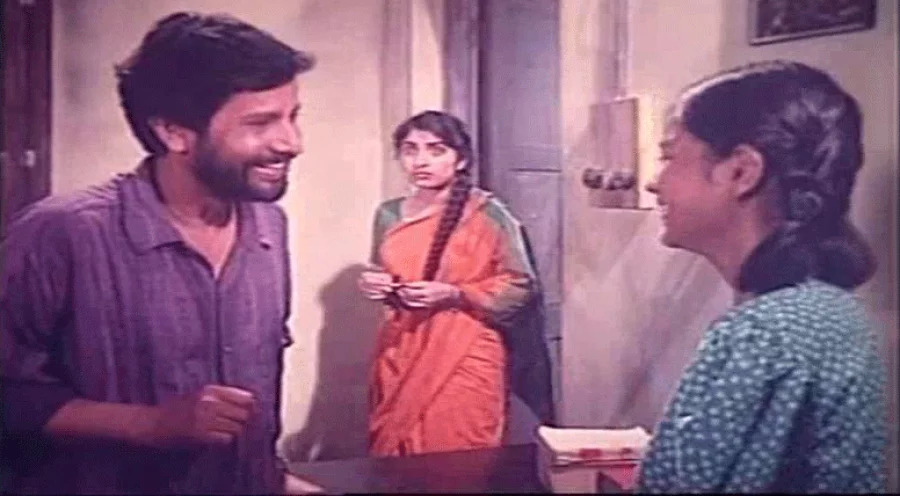
- Aguner Poroshmoni (1994): Humayun Ahmed’s cinematic portrayal of hope, sacrifice, fear, and love. A middle-class family shelters a young freedom fighter, though hesitant initially, later becomes his ally in carrying out guerrilla operations in war-torn Dhaka in May of 1971.
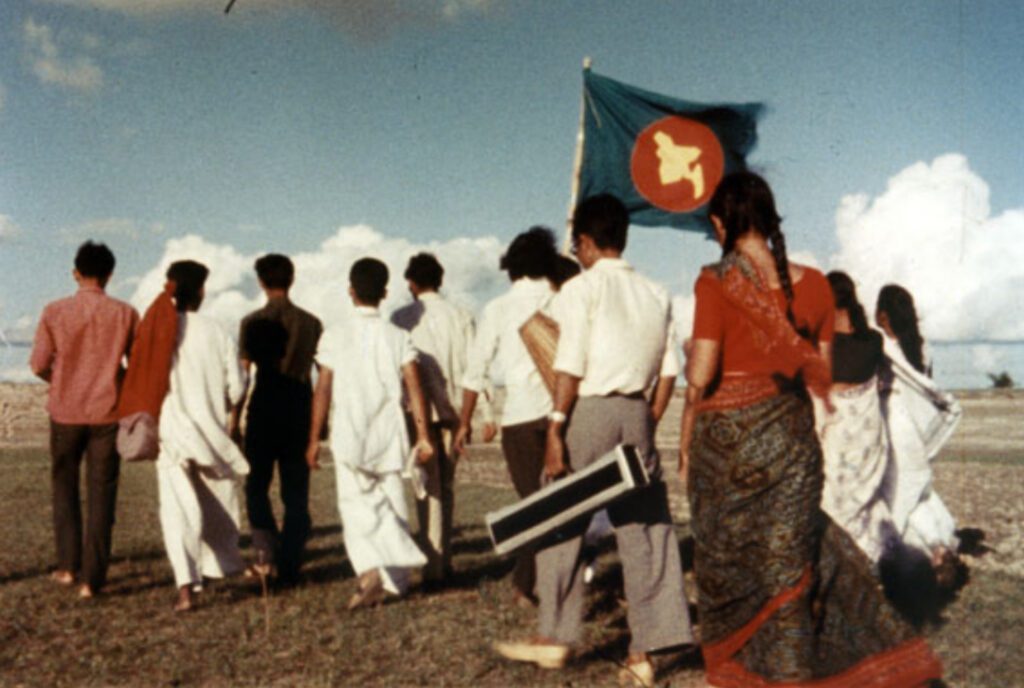
- Muktir Gaan (1995): Another real-time documentary by Tareque Masud and Catherine Masud, where a cultural troupe, named “Association of Liberation Fighter Artists of Bangladesh”, travels through war-torn lands performing for refugees, capturing raw clips while encouraging them to continue.
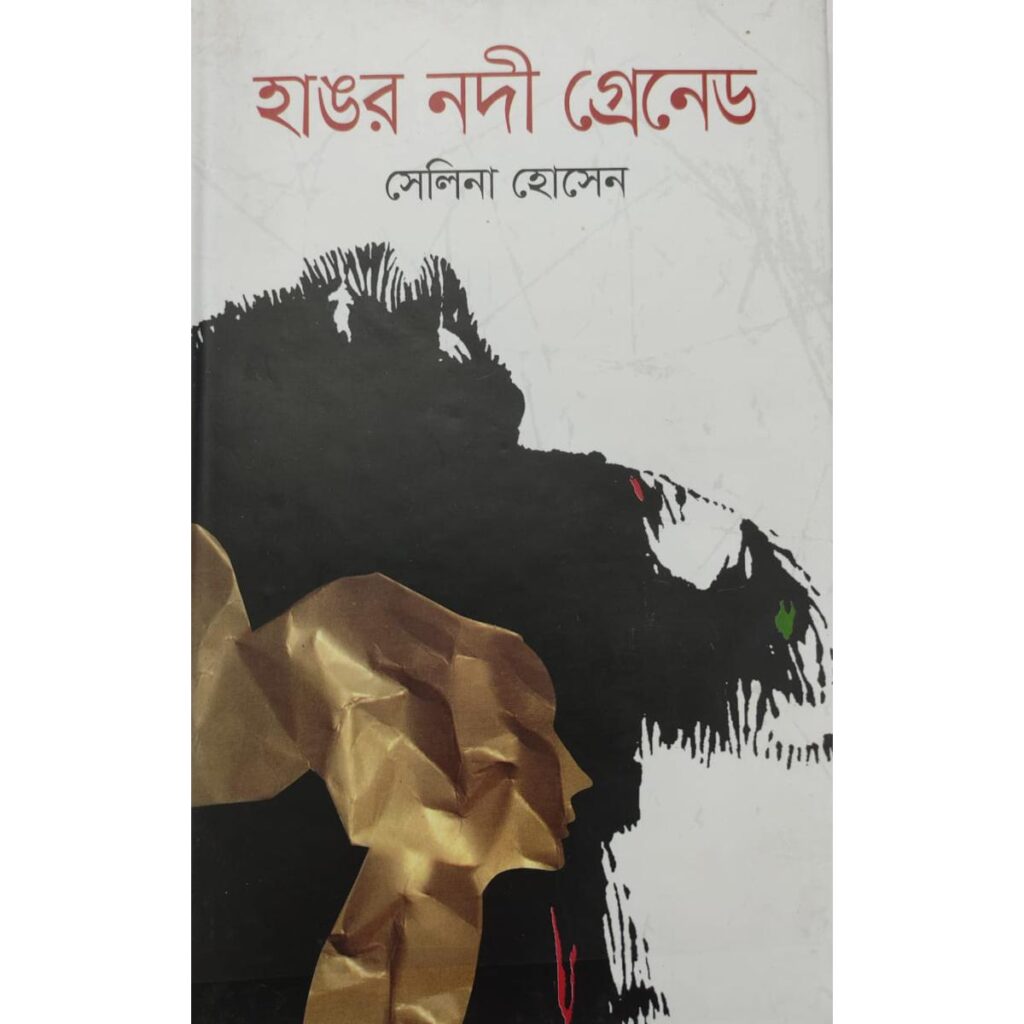
- Hangor Nodi Grenade (1997): A war drama based on Selina Hossain’s acclaimed novel, exhibiting the tragedy of selfless maternal sacrifice for the motherland.
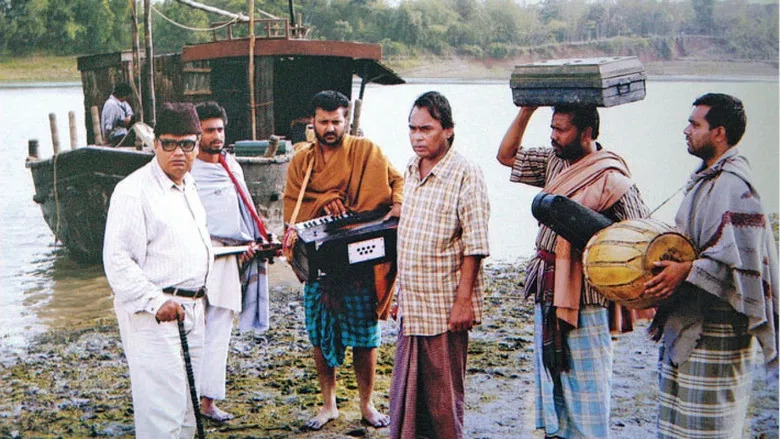
- Shyamol Chaya (2004): Instead of battlefield cruelty, this film takes a reflective look at survival and unity by showing how a boat and its passengers of different ages, religions, and losses board together to flee military brutality but eventually bond over shared suffering.
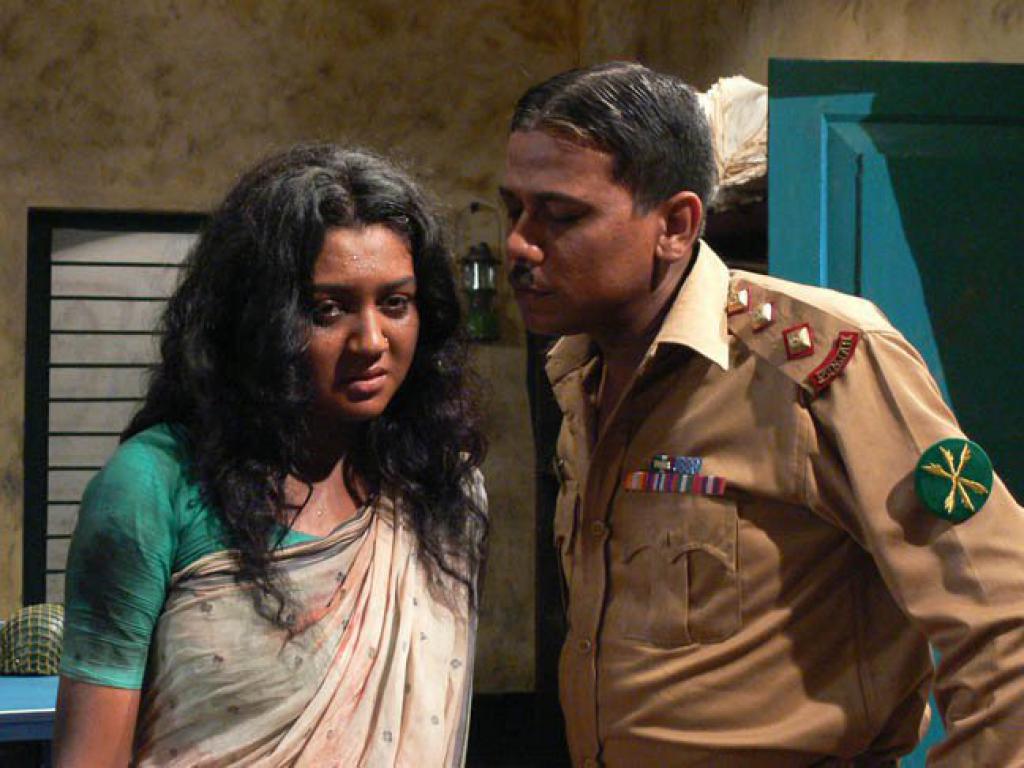
- Guerilla (2011): Operation Searchlight transforms the life of a civilian into a committed guerrilla fighter. After losing her husband and parents, her journey to finding her brother leads her through countless tragedies, ultimately culminating in a defiant act of self-sacrifice against the oppressors.
These films are not just some cinema, but they are testaments to our times and to our hard determination which brought us more than just a sense of sovereignty and waving flag, it brought us a sense of belonging and a sense of being at home.