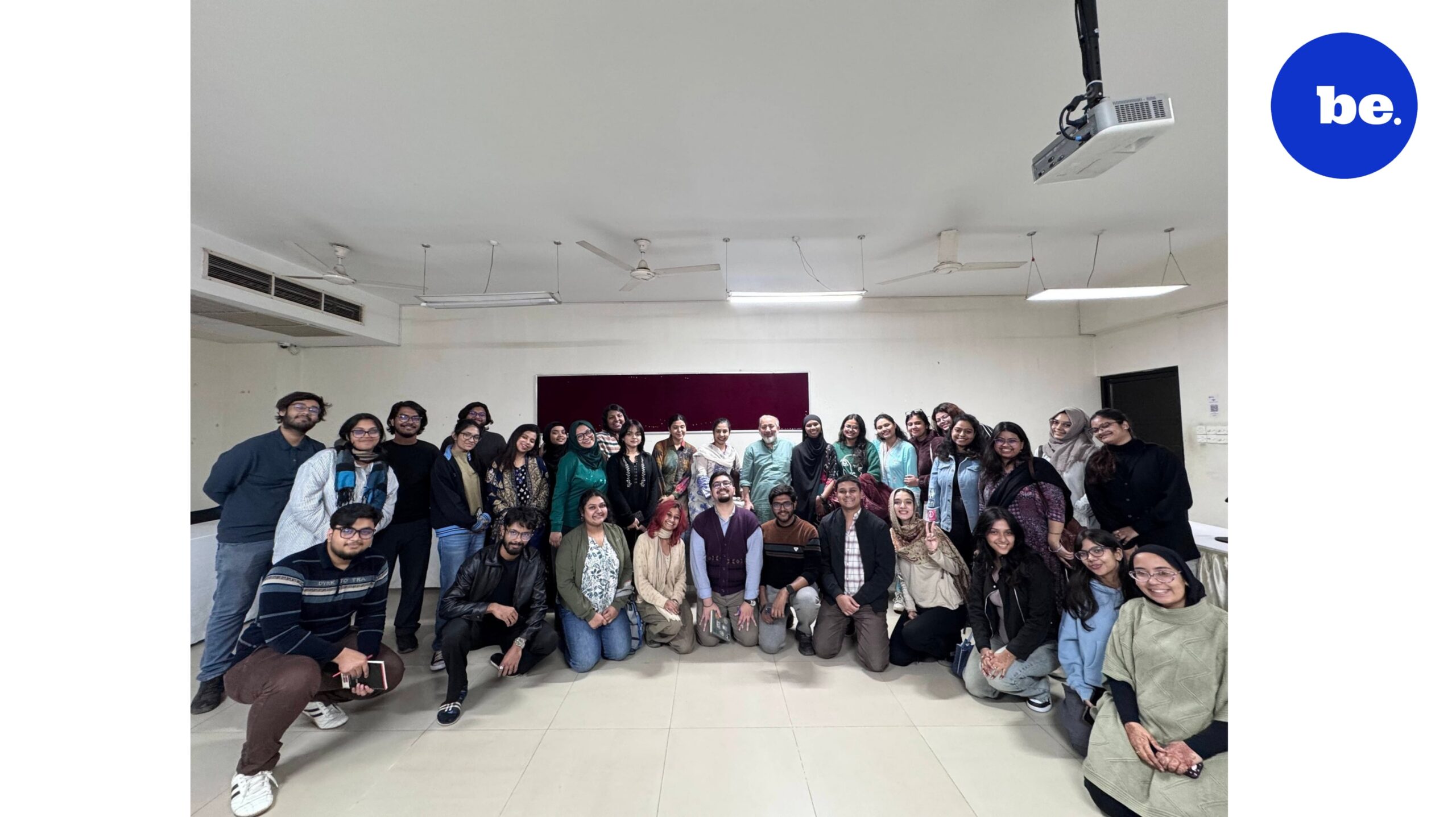
Field lessons in community-led development from BRAC’s UPG program
On 17th and 18th December, students from the Department of Economics and Social Sciences (ESS) were taken on a field visit to Mymensingh BRAC Learning Centre, as part of the course DEV320: Project Planning and Management In International Development, by Dr Syed Hashemi (Professor, GenEd). The purpose of this visit was to learn about the Ultra-Poor Graduation (UPG) program by BRAC and the nuances of operating complex developmental projects.
The UPG program was initiated in 2002, aiming for livelihood promotion, financial inclusion, social mobilisation and social protection and using a range of financial and coaching services. The program targets specifically women and their families, who earn less than $3 per day.
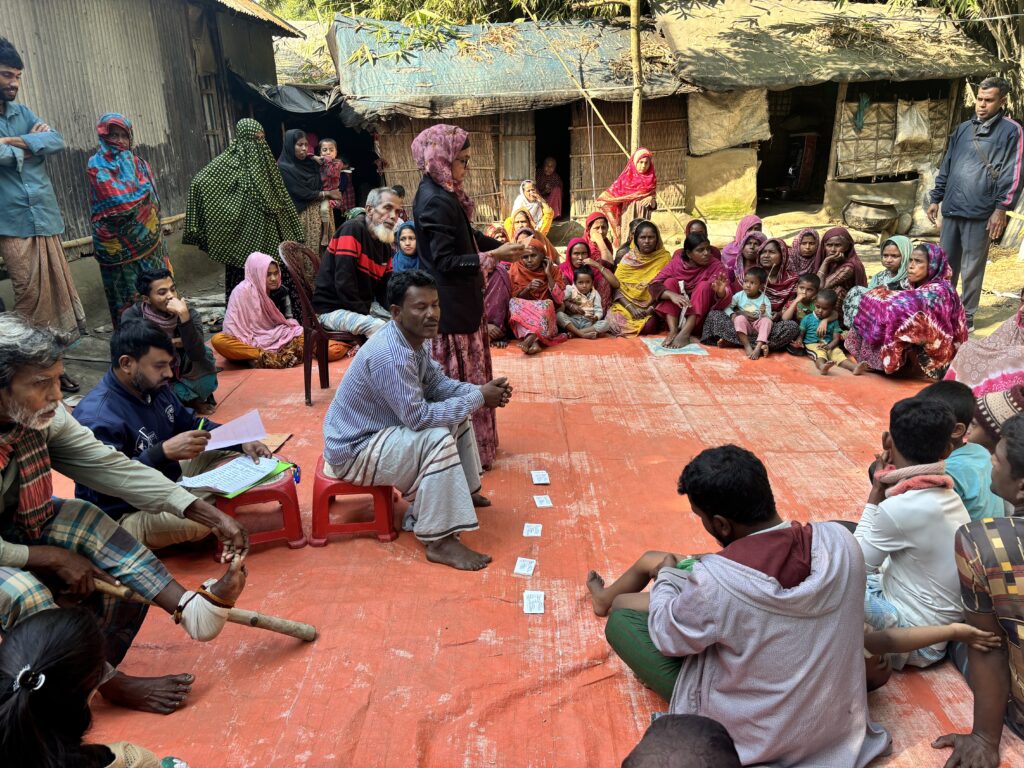
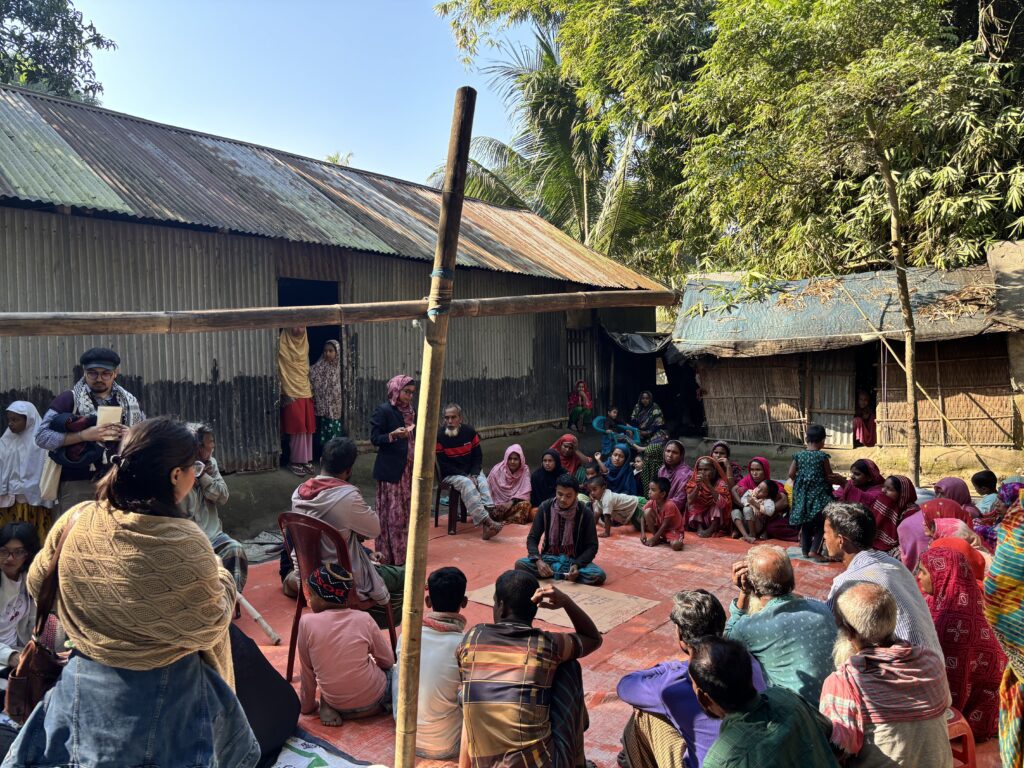
Students were given an insightful presentation on BRAC, the program and the experiences of the BRAC staff on the first day.
Dr. Hashemi shared, “The program is not only about economic emancipation but also social empowerment for the poor people.”
On the second day, students were divided into three groups and taken to three different locations each. In the first location, they observed the Participatory Rural Appraisal process, which allows community and poverty mapping, and the individual surveys for verification. In the second and last location, they sat down with the participants of the 2025 cohort and graduates of the 2021 cohort to discuss the changes in their lives and finances. It was fascinating how many decisions were left in the hands of the participants and villagers from the beginning to the end, fostering trust, solidarity, and empowerment. Nadya Tamrin (Senior, ESS) remarked, “This program showed me that root-level changes come not just from planning and monitoring, but from earning trust from the villagers and nurturing hope.”
The graduates and participants excitedly showed the students around, to their homes and different farms. They proudly shared how they make collective decisions and responsibilities with their husbands, and their hopes for the future and their children. The experience illuminated a fundamental truth: development is inherently collective and collaborative, relying on agency and dialogue.