BracU launches HCCS to redefine human centric computing
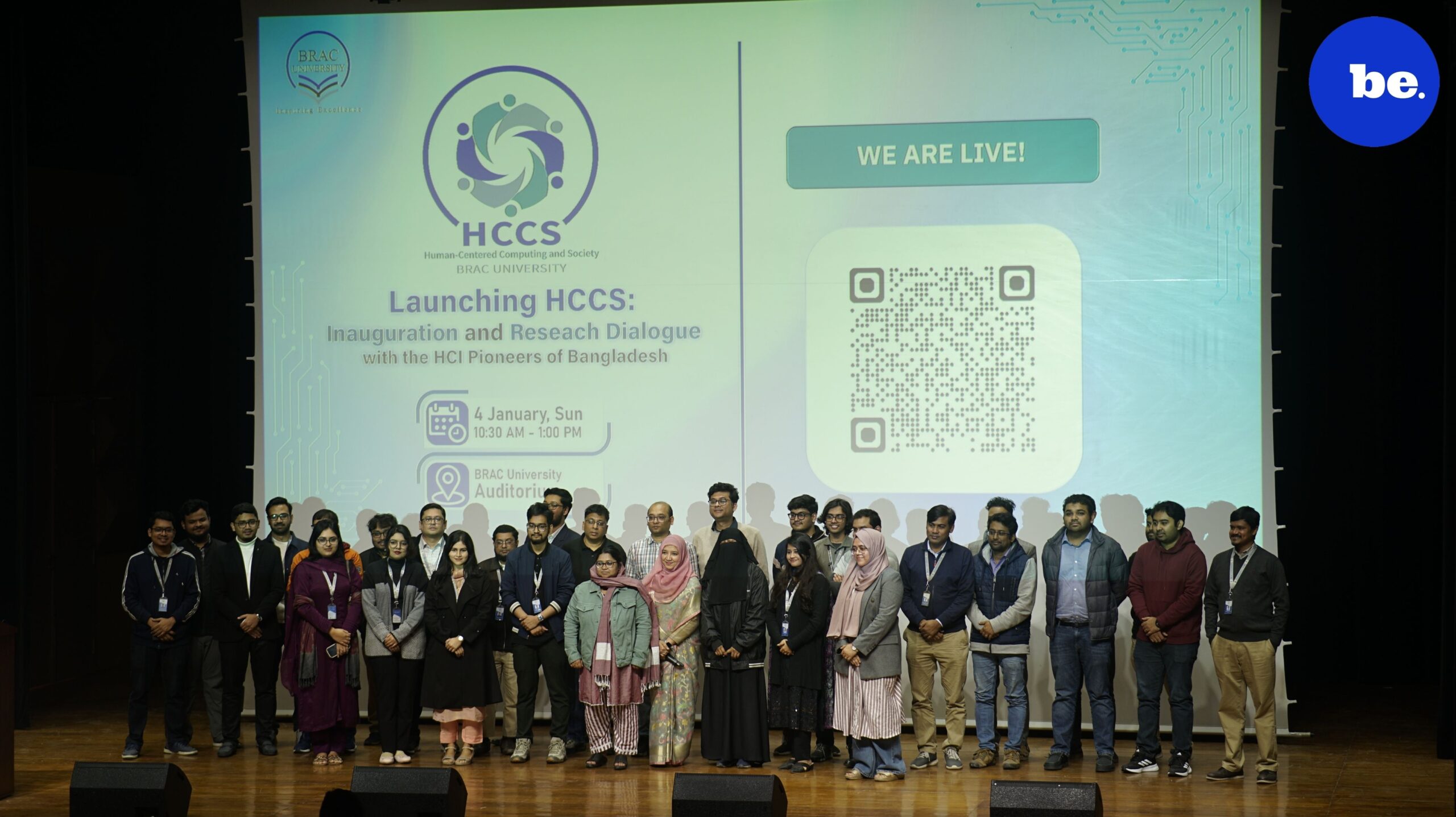
On 4th January, Brac University’s Department of Computer Science and Engineering inaugurated the Human-Centered Computing and Society (HCCS), featuring a research dialogue with pioneers of Human-Computer Interaction (HCI), including Dr. Syed Ishtiaque Ahmed (Associate Professor, Computer Science, University of Toronto), Dr. Hasan Shahid Ferdous (Former Researcher, Centre for Digital Transformation of Health, University of Melbourne), and Dr. Sharifa Sultana (Assistant Professor, Computer Science, University of Illinois Urbana-Champaign) and guest speaker Dr. Jazlin Ebenezer (Charles H. Gershenson Distinguished Faculty Fellow and Professor of Science Education), discussing how HCI innovations can be designed to benefit the Global South, especially in Bangladesh.
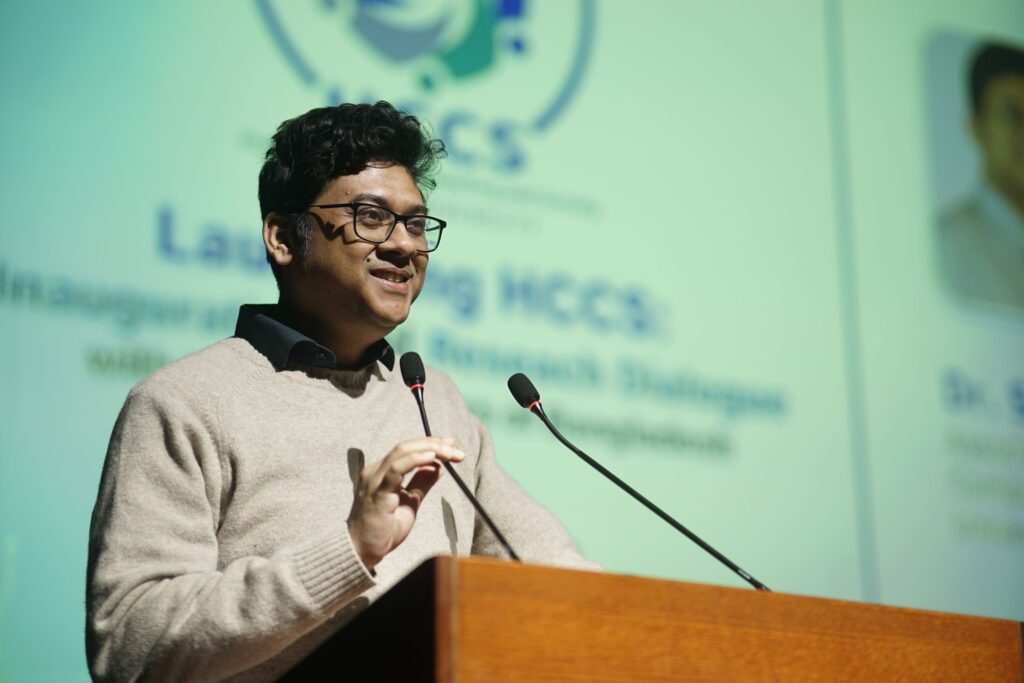
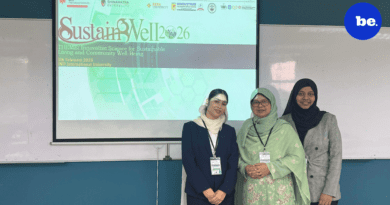
Photo: Asifur Rahman
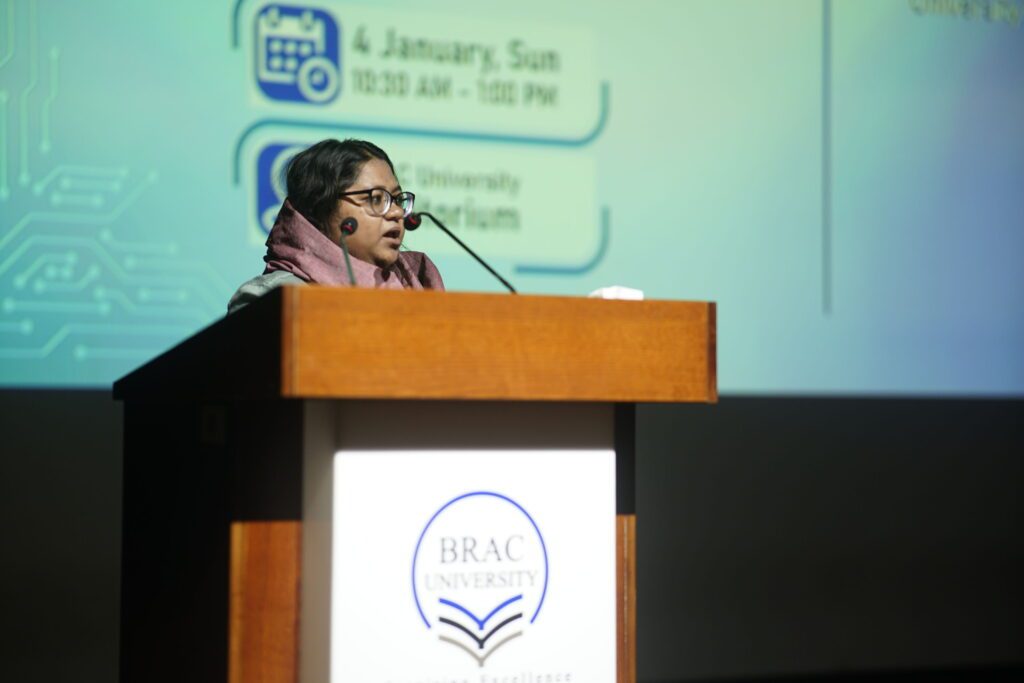
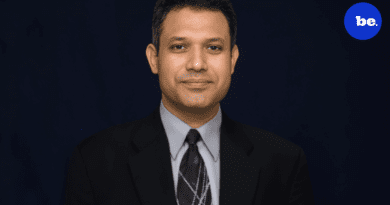
Photo: Asifur Rahman
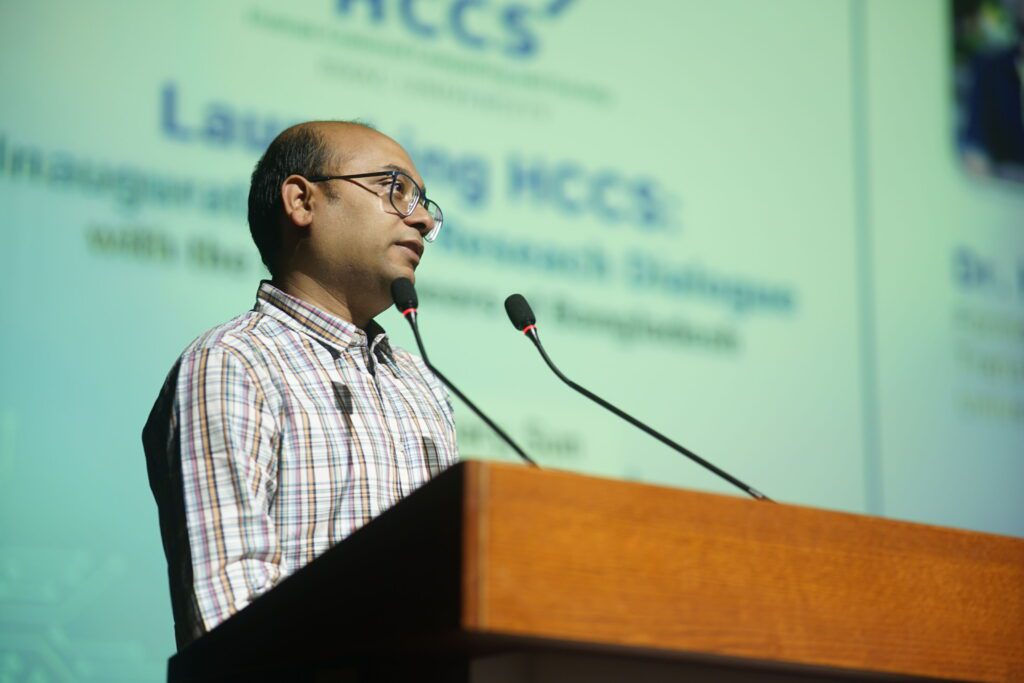
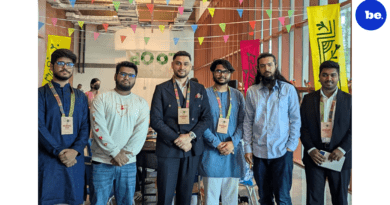
Photo: Asifur Rahman
Dr. Ferdous addressed HCI as a human-centered, multidisciplinary, and inclusive field, that requires attention to social and human dimentions while innovating. Furthermore, Dr. Ahmed discussed Pratibadi project that deals with sexual harassment in public spaces in Bangladesh, expressing that he wanted to solve real-life problems through technology. Again, Dr. Sultana unfolded her journey from being an EEE engineer to HCI researcher, quoting, “I wanted to work with the people that I belong to, and not just remain as an engineer but a human computer interaction researcher and contribute to this country’s development.”
When addressing scopes of HCI research, Dr. Ahmed advised students to gain interdisciplinary and multidisciplinary knowledge so that they can benefit society by their work. The speakers also encouraged the students to take advantage of BRAC’s unique ecosystem, connecting academic research with real communities, capture lived realities, engage with policy conversations, and remain relevant in this era of AI.
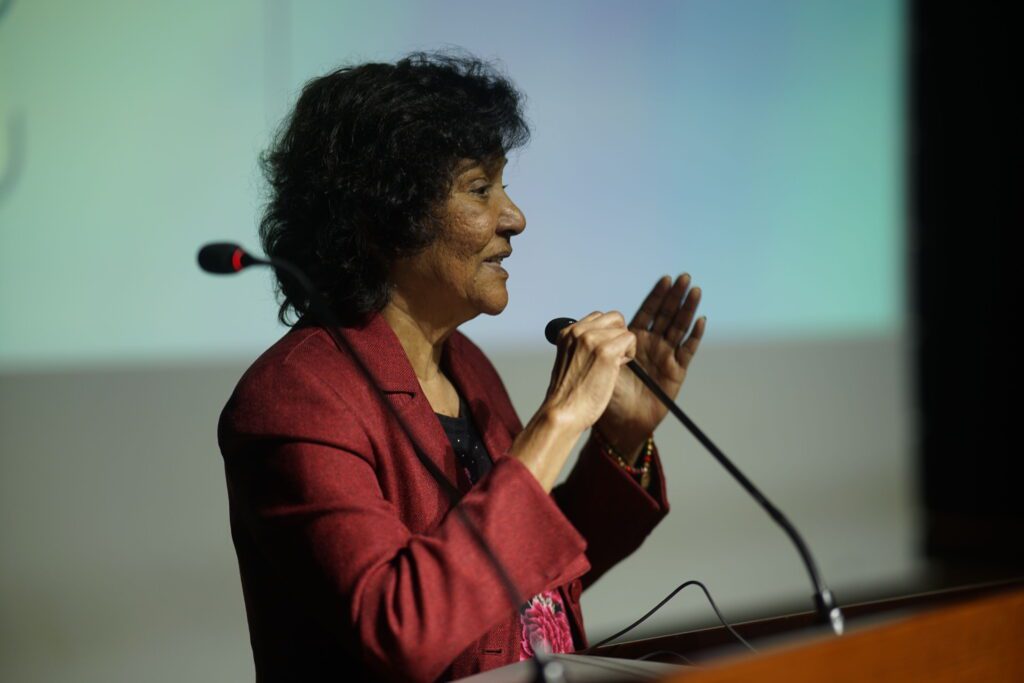
Photo: Asifur Rahman
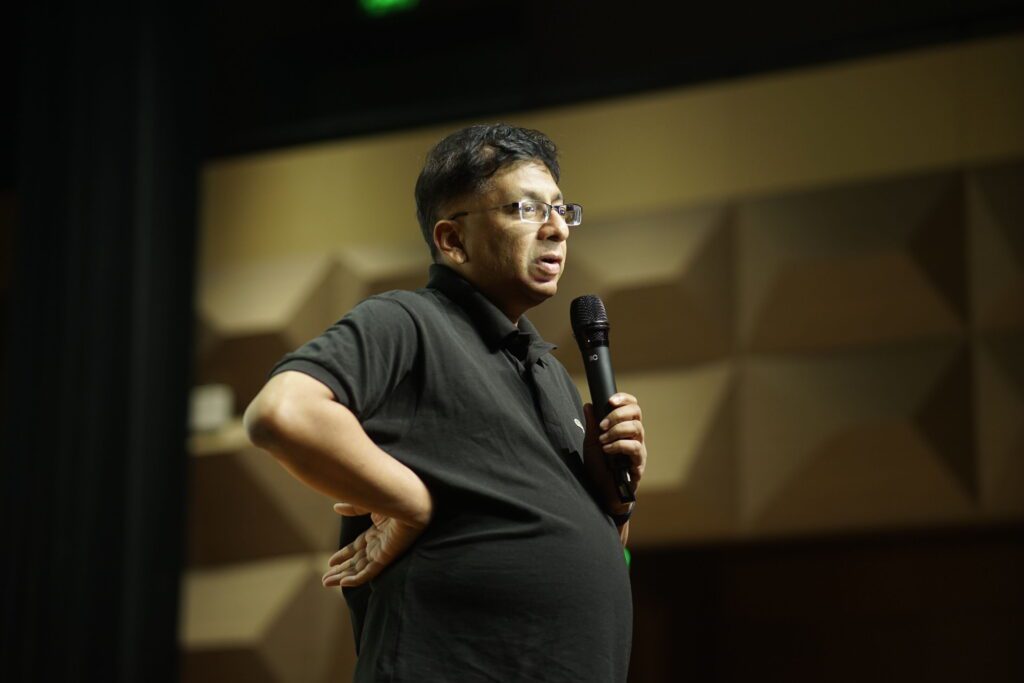
Photo: Asifur Rahman
Mahbubul Alam Majumdar (Dean, CSE) advocated to use both HCI and AI as tools of humanity while the assistant director of HCCS, Md. Sabbir Ahmed (Senior Lecturer, CSE) stated that HCCS aims to make research socially contextualized and accessible to all. Lastly, Farida Chowdhury concludes by thanking all collaborators and expressing hope for future initiatives. Golam Mostafa, a masters student of UIU expressed, “Previously, I had zero idea about HCI. The session was pretty interesting, helped me know new things and fueled my interest in Human- Computer Interaction.” Through HCCS, Brac University goes beyond traditional computer science teaching and envision computers as an assistant to humans, focusing on socially grounded innovation.