Archive & Resist Conclave preserving receipts of resistance
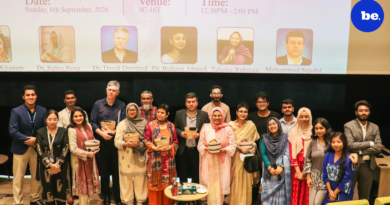
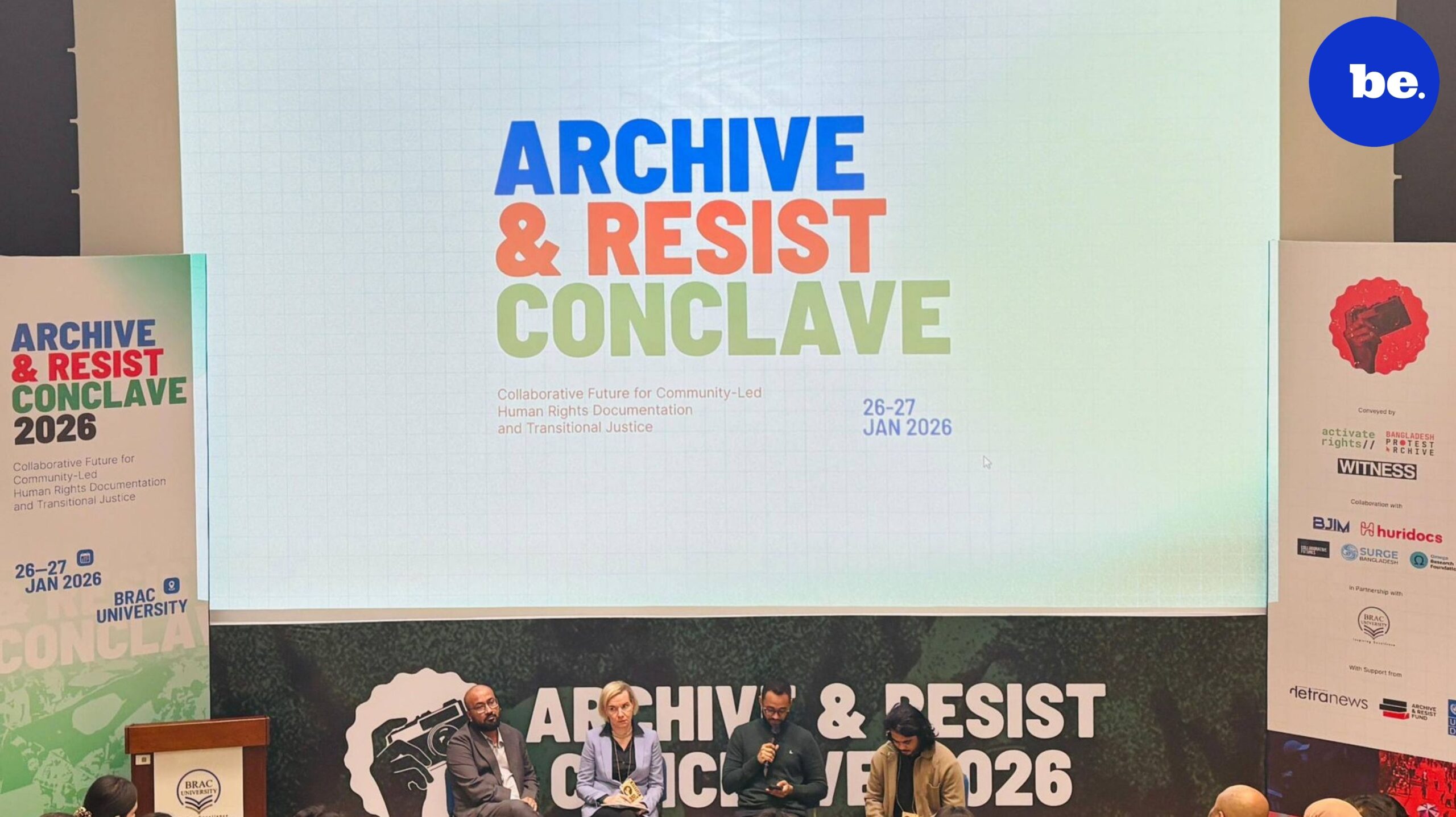
On January 26th and 27th, Brac University hosted a two-day forum, “Archive & Resist Conclave 2026”. The conclave brought together researchers, journalists, activists, human rights advocates, and foreign partners. It was co-convened by Activate Rights, Bangladesh Protest Archive, and WITNESS, with support from UNDP Bangladesh and Archive & Resist Fund, in collaboration with Netra News, BJIM, and Surge Bangladesh, and co-hosted by SAPRAN. Professor Firdous Azim (Chairperson, ENH) provided support on behalf of the university.
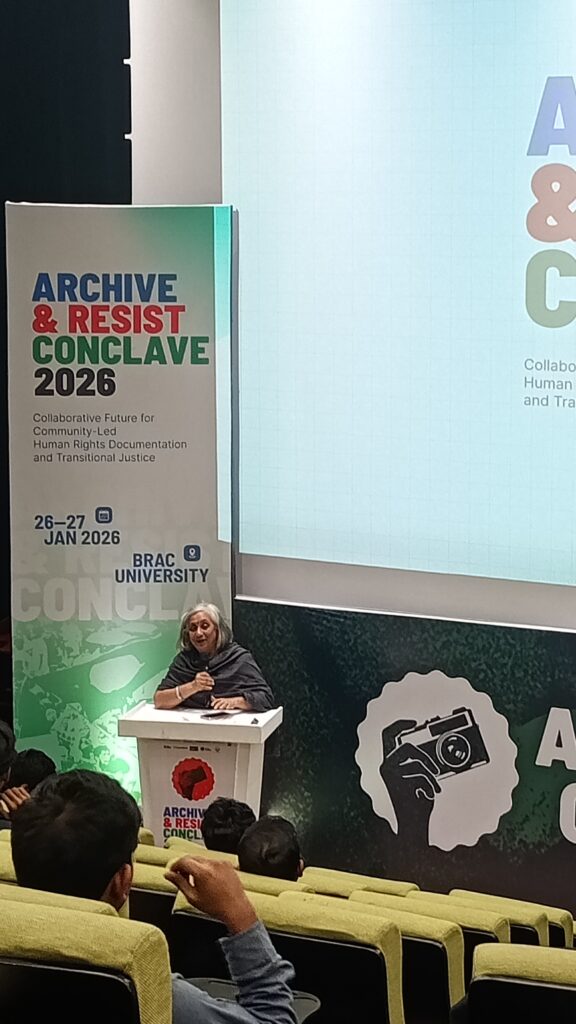
Photo: Aysha SIddiqua
In the opening plenary session, Romana Schweiger (Senior Rule of Law, Justice and Security Advisor, UNDP) emphasized the long-term significance of recording evidence of crimes against humanity. Tasneem Khalil (Editor-in-Chief, Netra News) added, “Archiving for the public is important and it must be free from any political groups.”
The conclave hosted several parallel sessions and workshops. A session by Netra News focused on how journalists, researchers, and activists can work together to preserve open-source information to document human rights violations and counter disinformation. In a roundtable on “Crisis Response Tech,” Fahim Ahmed, Mahir Abdullah, Monish Chanda Rudra (Seniors, CSE), and Shahriar Ahmed Shovon (Student, Daffodil International University) shared their experience developing GangUp, a safety app for students to travel in groups. The session also included Md. Rafid Khan (Senior, CSE) and Chowdhury Isfatul Karim (Alumni, CS), founders of Jogajog, an anonymous messaging tool used during the July internet blackout. Additionally, Fahim Murshed and Marwa Kazi Mohammed, the founders of Protirodh.net, shared their work on a community-led crime-monitoring platform.
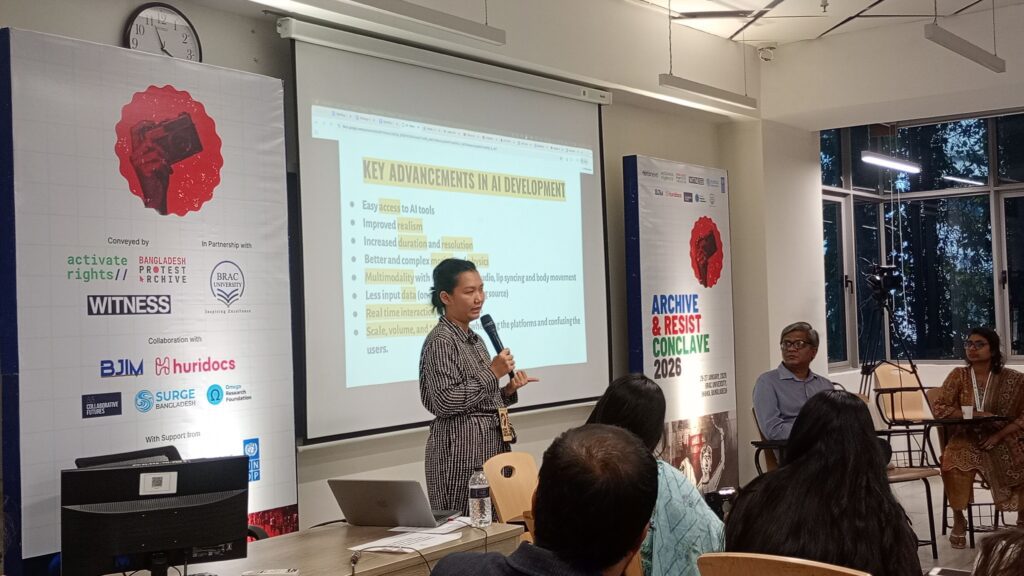
Photo; Aysha Siddiqua
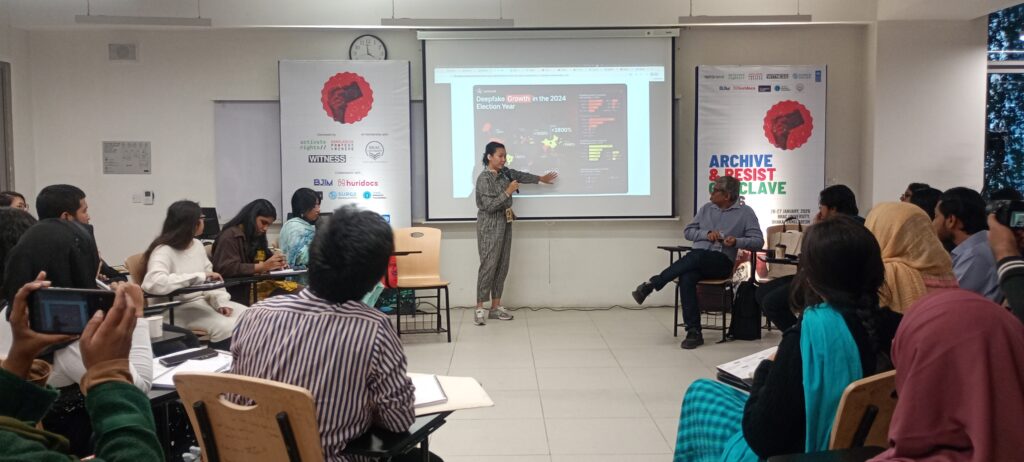
The second day began with the plenary session on “Rebuilding the Social Contract”. Members of UNDP, UNICEF, and civil society organizations discussed transitional justice, the significance of the upcoming election, and the welfare of women and children. Panelist, Sadaf Saaz Siddiqi (Member, BracU Board of Trustees), emphasized, “The term transitional justice has finally been recognised and defined by the UN in 2024, but in the women’s movement, we have been exploring this for many years. The panel gave a chance to discuss the difficult balance between working to attain formal legal justice for victims/survivors, and speak about and establish the ‘truth’, while always being aware of the shame and blame that surrounds sexual violence.”
BRAC James P Grant School of Public Health and Activate Rights held a workshop on addressing online harassment of women. The Centre of Critical Discourse brought locals from Daruchini Dwip who shared their firsthand accounts of struggle and resistance. To assist futurearchiving and resistance activities in Bangladesh, Shoeb Abdullah (Co-founder, Activate Rights) announced the Archive & Resist Fund during the closing ceremony.