Staying safe when the ground shakes: Confronting the seismic reality
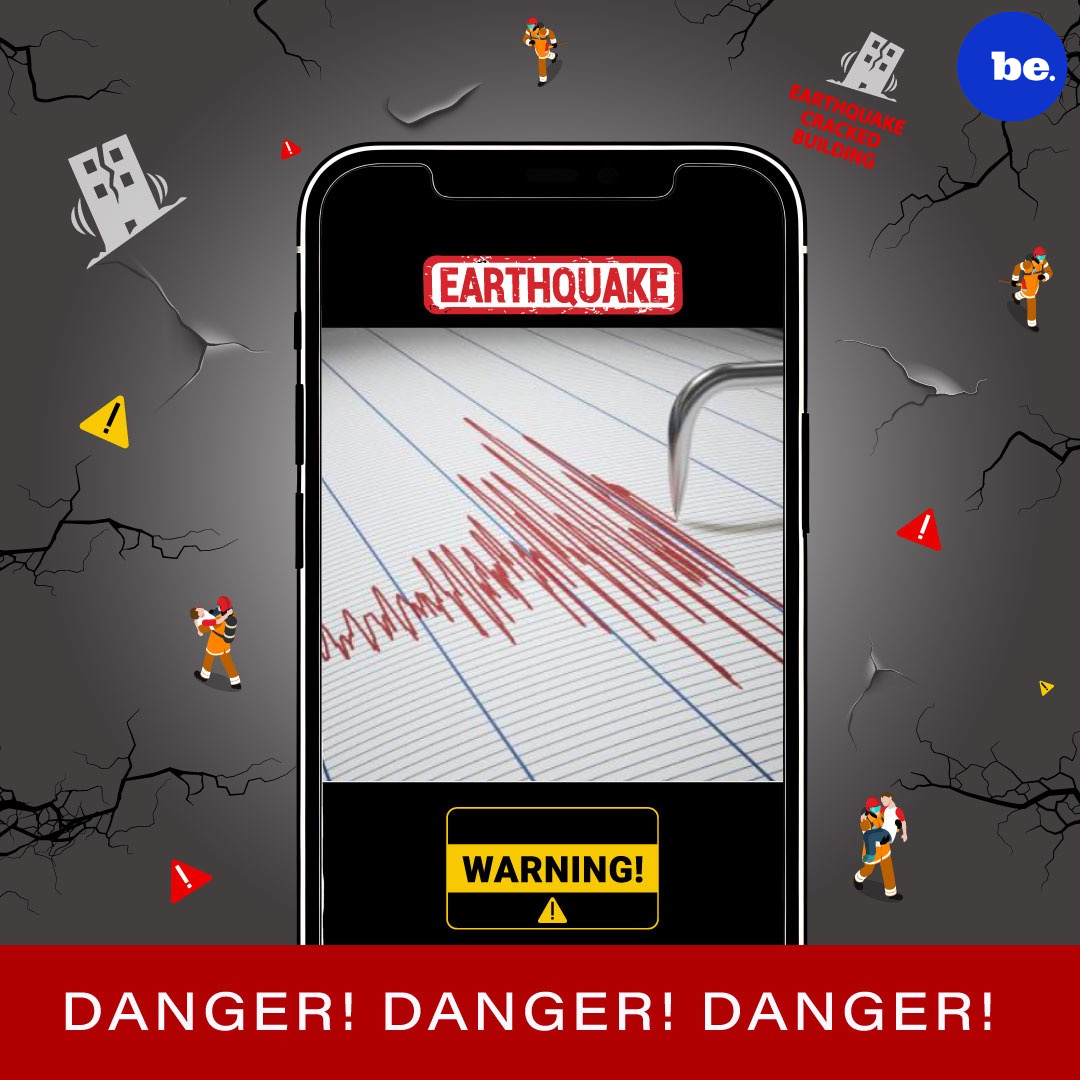
The ground shook. Windows rattled, phones buzzed with urgent calls, and within minutes, millions of residents stood frozen or rushed outside as the 5.7 magnitude tremor and its aftershock near Badda reminded the city of its vulnerability. It was over in seconds, but the anxiety lingered far longer.
Social media exploded with unverified warnings and rumors. A densely packed city like Dhaka, the fear isn’t just geological. The question arises how does a city this crowded survive when the earth moves? Instead of decentralization, we better work on with the infrastructure we occupy today.
In terms of BracU, Professor Fuad Hasan Mallick, PhD (Dean, SoAD), offered reassurance grounded in engineering, not optimism. “After the earthquake, there was a thorough check; there were no major issues or concerns,” he affirmed. The university’s structures, he explained, were built not merely to comply with the Bangladesh National Building Code (BNBC) but to exceed those standards because the building is designed for an even higher magnitude.
But engineering alone cannot counter misinformation. Professor Mallick recommended people to trust scientific evidence rather than rumors. “Claims without veracity that major earthquakes will take place in Dhaka hold no merit without an actual basis,” he said.
Md Mehdi Mahboob (Head of Security & Safety, BracU) and his team, composed of security staff and service personnel, undergo monthly training to remain ready for emergencies.”For the last couple of weeks, there has been growing concern about earthquakes,” Mr. Mahboob acknowledged. “Our job is to assess risks and the impact of such risks around the campus.” Building on the university’s established fire safety protocols, the security team is expanding its reach. “Emergency drills are almost the same for fire and earthquakes, but the protocols are different,” he explained. “There have been numerous fire drills conducted; now there will be an earthquake drill next month. We expect the spontaneous participation of all.”
Individual awareness remains equally vital. Often overlooked are the personal first-aid kit items that become lifelines when emergency services face gridlock in a densely packed city. The campus is marked with visual cues: green arrows and circled pillars that signal safe standing points during a quake. “One should stand beneath columns during an earthquake,” Professor Mallick pointed out. Mr. Mahboob added “We are ready to assist students with physical disabilities during evacuations.”
The tremor near Badda was a jolt, a reminder of Dhaka’s seismic reality but not a harbinger of doom. The antidote to fear fueled by fake news is straightforward: trust the engineering, join the drills, keep that first-aid kit at hand. Readiness, after all, is the only prediction that truly matters.