Tracing the bargains of women’s power and patriarchy in Bangladesh
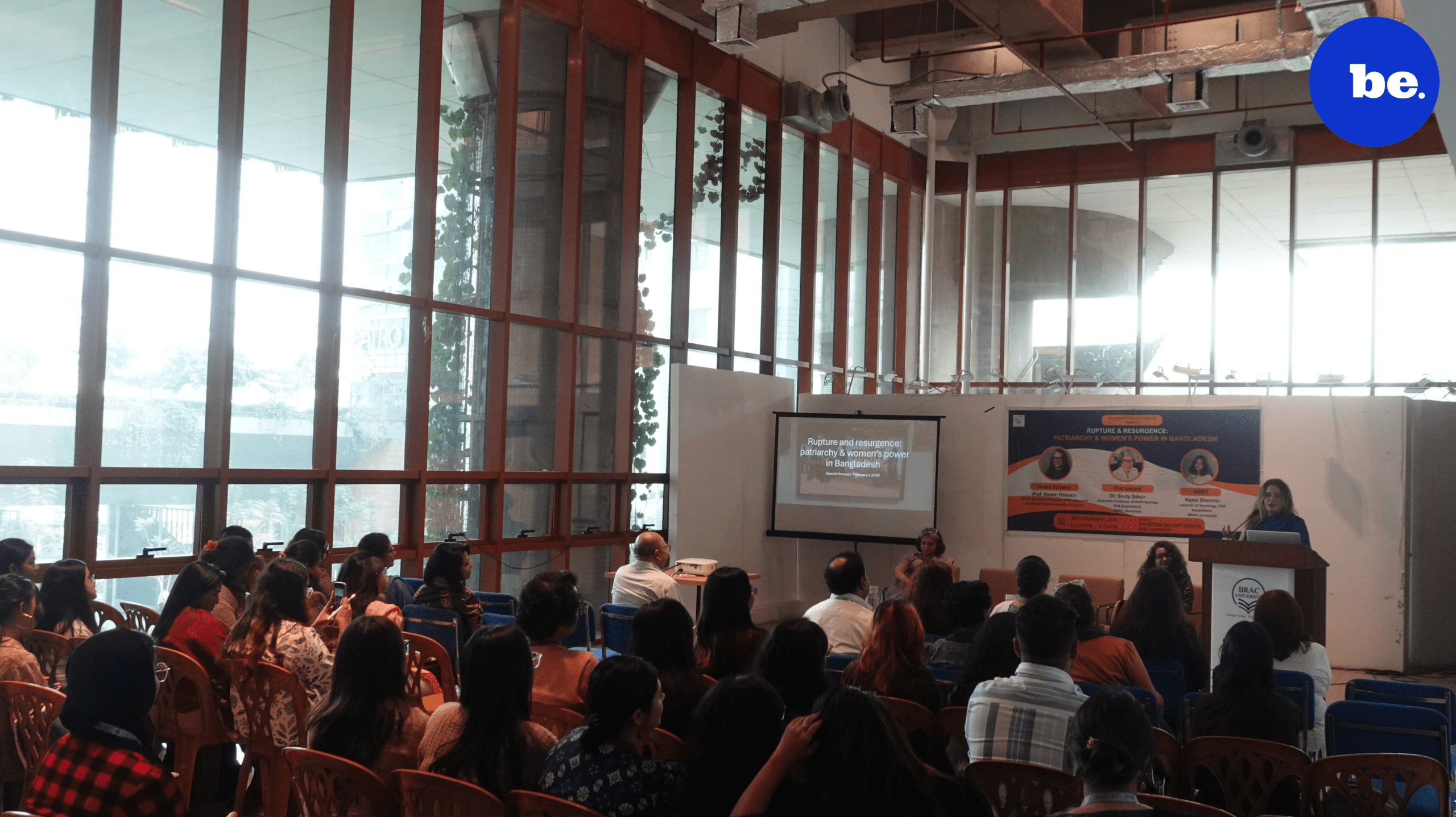
On 2nd February, the Anthropology Collectives, organised by the Department of Economics and Social Sciences, arranged the seminar titled “Rupture and Resurgence: Patriarchy & Women’s power in Bangladesh” at the Exhibition Hall, with the guest speaker Naomi Hossain (Global Research Professor, SOAS University of London) and discussant Dr Seuty Sabur (Associate Professor, ESS).
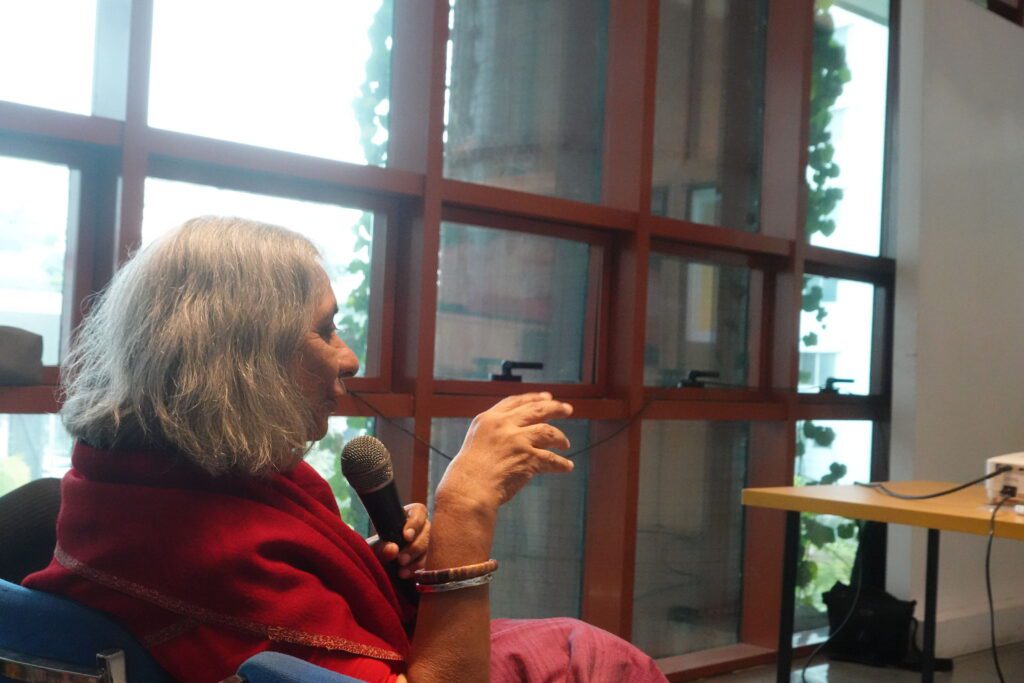
Photo: Rishov Aditya
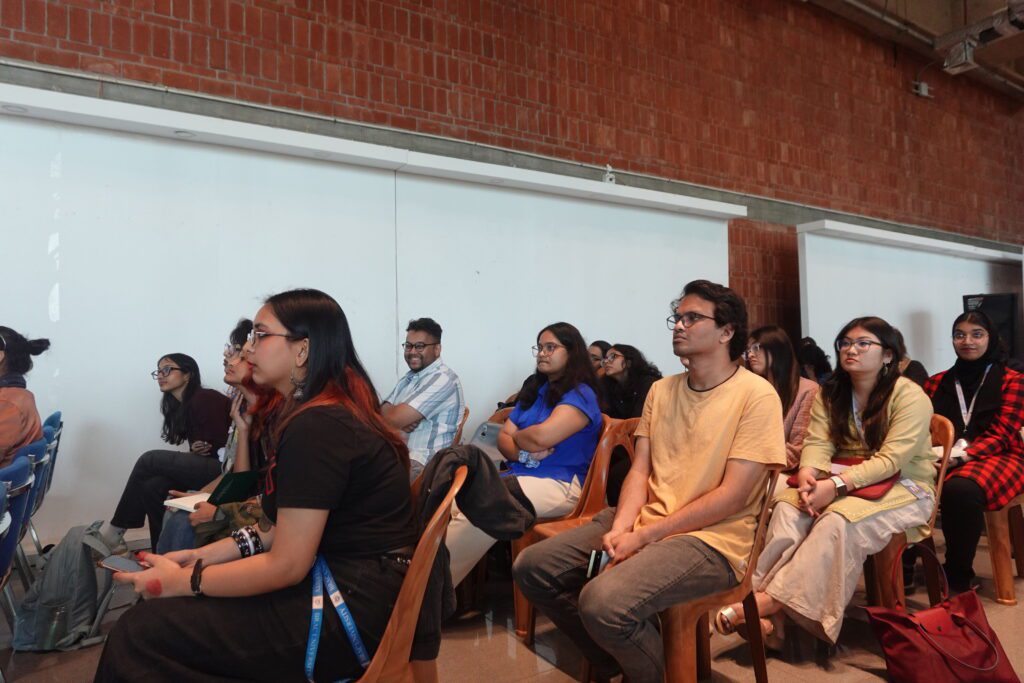
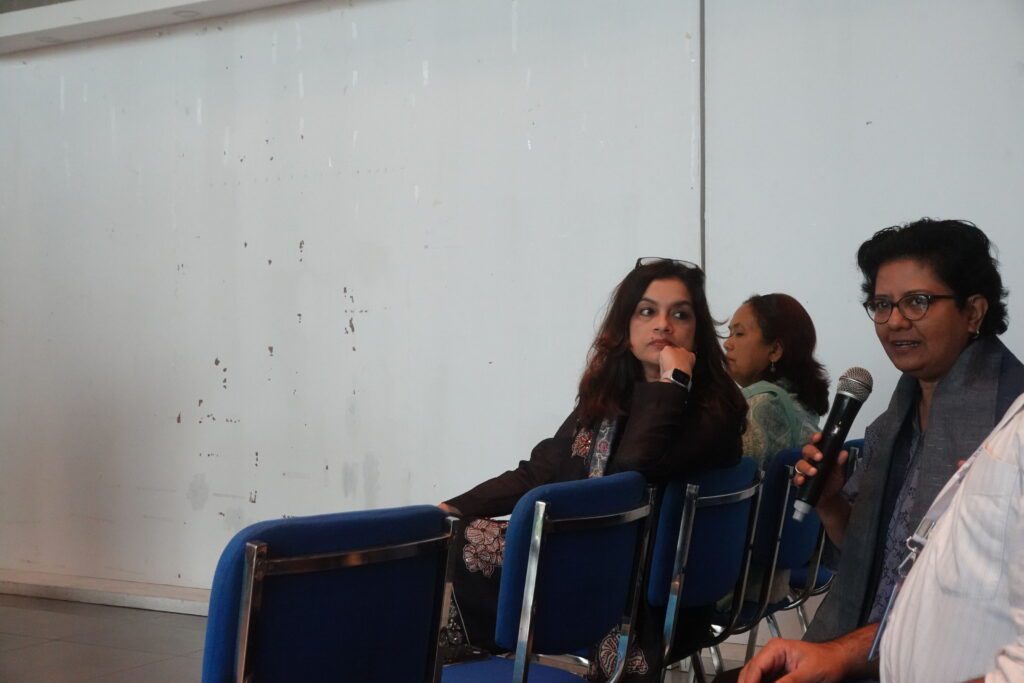
The event was formally commenced by Dr Wasiqur Rahman Khan (Chairperson, ESS) and hosted by Nazia Sharmin (Lecturer, ESS). Professor Hossain explored her thoughts on the malleable patriarchal patterns of Bangladesh and their renegotiations in the 1970s and the present. Bangladesh, as a low-income country, has been on a relatively faster track of women’s empowerment, and this rupture was due to the longue duree agrarian crisis leading to women’s participation in agriculture, wartime rape being framed as a national trauma, and the 1974 famines resulting in foreign aid. She emphasised the need to understand the politics of development in Bangladesh and, by extension, women, to understand the politics of Bangladesh. Fast forward to the present, and we see the patriarchal restoration with economic prosperity enabling women’s dependence and rising far-right parties in opposition to the political disorder caused by ‘feminine rule’. Reflecting on a conversation she had regarding the lack of female candidates in the election, Professor Hossain remarked, “Fifteen years of one brutal female authoritarian in power and now, 85 million people can shut up.” Additionally, she addressed how purdah is redefined as a means to mobility, rather than an instrument of isolation.
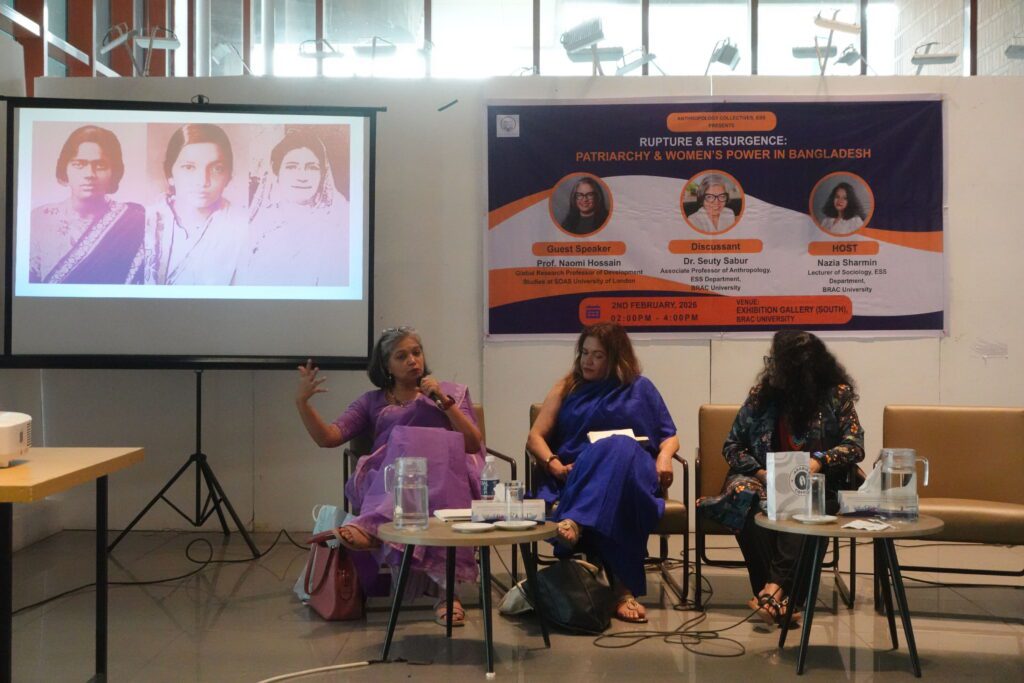
Photo: Rishov Aditya
Dr Sabur discussed the importance of understanding actionable problems and intersubjectivity of production and reproduction to understand the women’s positionality. Moreover, she stated,
“If Bangladesh is standing today, men and women have both worked together to bring Bangladesh to what it is; it’s no one’s father’s, husband’s or son’s gift to us.”
The seminar concluded with an enlightening question-and-answer session that engaged guests, faculty members and students. Najah Tahrim (Freshman, EEE) commented as an attendee, “I was intrigued learning that unfortunate events in our history facilitated women’s empowerment, as it is not a perspective we hear on a day-to-day basis.”