Rewriting the scream
Once upon a time, horror meant flickering lights, creaking doors, gory makeup, and a figure at the end of the hallway that wasn’t supposed to be there, a familiar formula with varied ingredients. In the past decade, horror as a genre has traded old tricks for unsettling psychological depths.
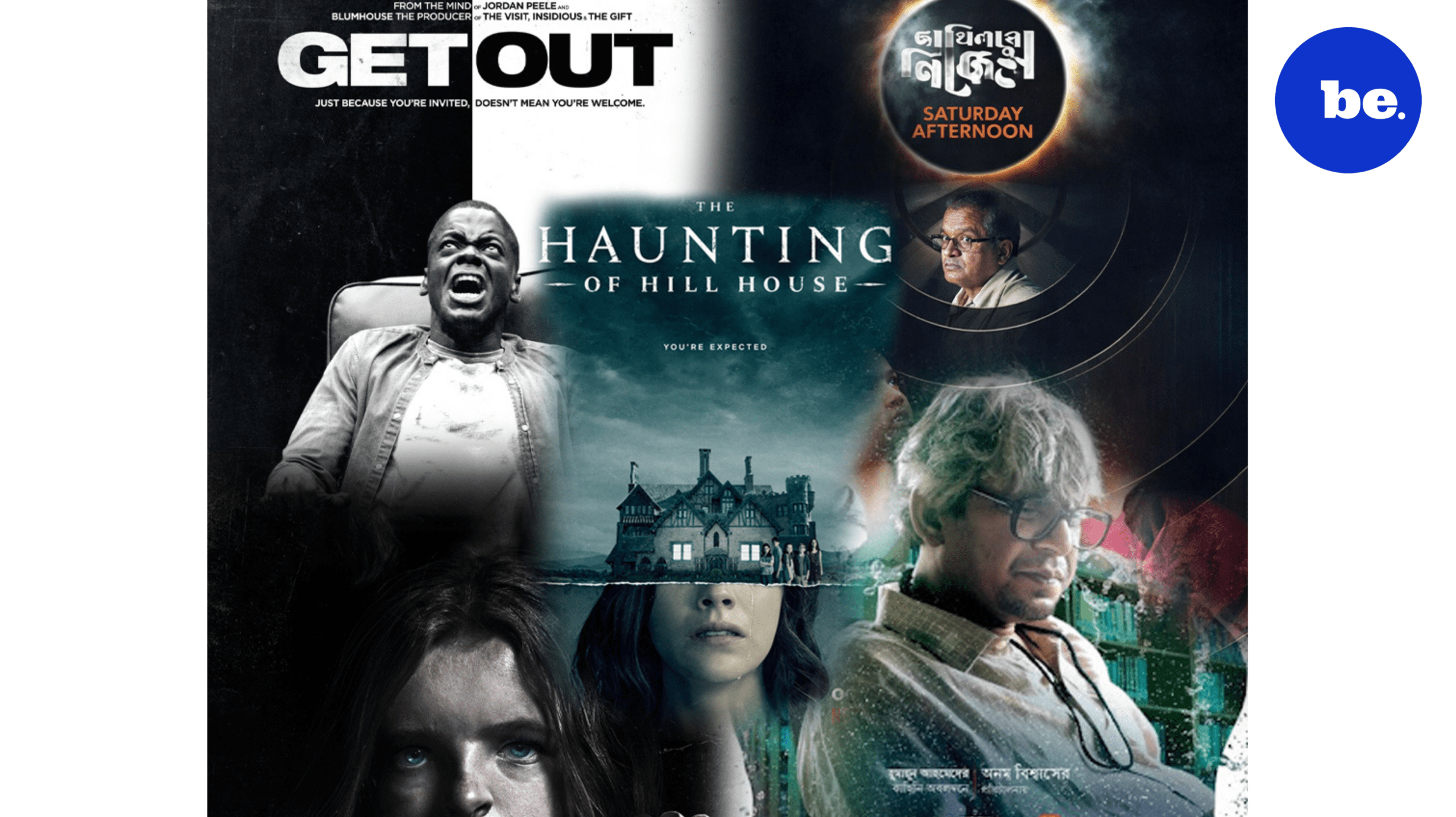
Movies like “Get Out” and “Shonibar Bikel” serve as a glimpse into the actual horrors that exist in the modern world. Despite not fitting the traditional definition of horror, these stories are undoubtedly works of real-life horror because of the terrifying situations and cruelty at their core. “Midsommar” defies all genre conventions and norms, setting most of the story in daylight with vivid scenery and colourful costumes, which makes the movie’s ritualistic and normalised presence of violence all the more unsettling. Along the same lines, “Hereditary” combines the elements of a traditional horror movie with the uncomfortable sensation of a psychological thriller within a family setting, much like the Netflix adaptation of “The Haunting of Hill House”. Nuhash Humayun did not intend to present his short film “Moshari” as horror. But it was the premise and underlying themes of the short film that made the story fit in the genre. And then there is Anam Biswas’s “Debi”, which blends elements of psychological and paranormal horror, leaving the audience with deliberate ambiguity. Nausheen Nawar Khan (Sophomore, BBS) describes, “I used to think horror movies were the best way to enjoy the genre, but now I find horror series more captivating because of their extended storytelling.”
This new golden age of horror has redefined what monsters in the dark mean for a new generation of audiences who have lived in a world that is unstable at best. As fear itself has evolved into something much more realistic and tangible in today’s day and age, so has the visually fictional version of it. The most terrifying aspect of contemporary horror films is not the nocturnal monsters but rather how realistic these tales seem to be.