Life behind the cards and pieces
Ten thousand years ago, humans were already finding ways to turn a handful of stones into a reason to compete. Before we could even write, we were hunched over flat stone boards trying to score colored rocks into rows of drilled holes. We rolled dice before we rolled wheels!
Nowadays, we use way less rock in our games, but the tradition is far from lost. Across living room tables – the sting of a misread move, slipped fingers, and the ensuing 100-decibel speech that you did not really start your turn or that someone clearly cheated – still persist, much to the dismay of neighbours everywhere. The rocks have turned to plastic, but the argument remains the same.
For us here in South Asia, board games are uniquely tinged with the scent of tea and biscuits as a family gathers for a round of Ludo or Carrom. They are a staple of a simpler time, of carefree afternoons with siblings and cousins not yet too busy, when the only thing that mattered was whether we had enough time for another round. It is a pastime so soaked in nostalgia that it has practically gone soggy.
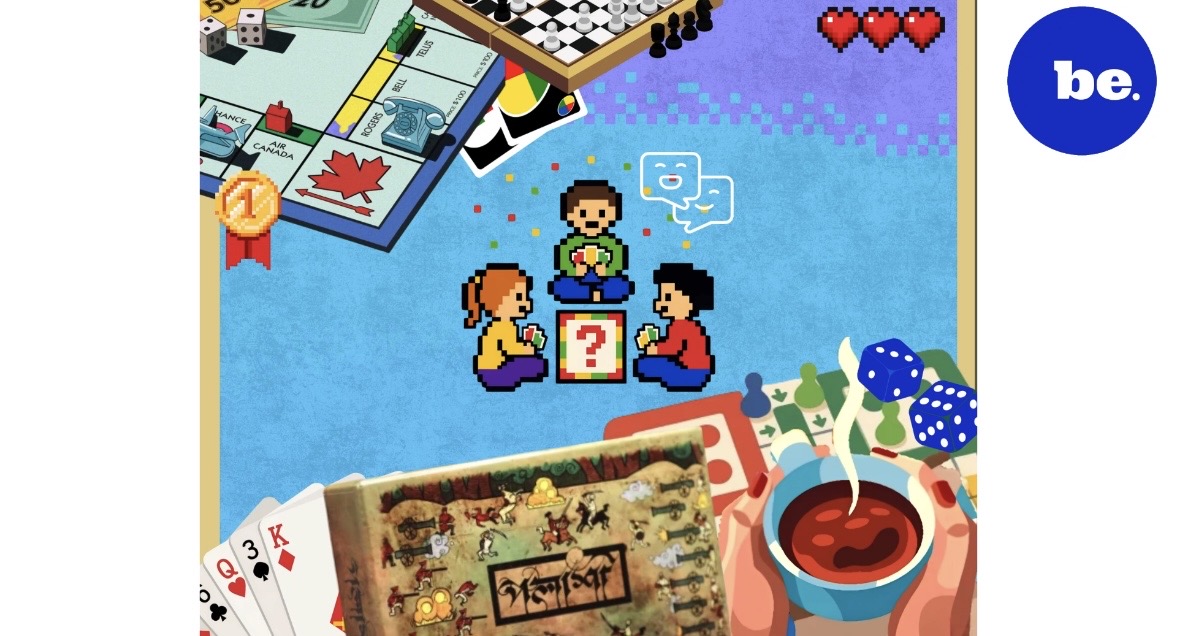
However, board games extend far beyond these family favourites – friendships are tested over a race to create generational wealth in Monopoly; chess, where the smug silence after your opponent blunders a queen feels heavenly; and Scrabble, where everyone suddenly seems to have their own versions of English dictionaries. Then there is Sequence, a deceptively simple game of cards and Palashi, a Bengal history social-deduction game that is ridiculously fun (once everyone understands the rules). For those who understand the rules more than others, these games can become more than a pastime; chess, for instance, has an entire professional world. There is always another level to play at.
For us university students, board games are often not just games but moments that we spend with friends. Samin Sultana Neha (Junior, CSE) shared, “Some of my fondest memories from university are the evenings I spent playing games with my ten friends. We played everything from UNO to Panchforon; it wasn’t always peaceful, but there was so much laughter. We found a little world of our own, where we could be children again, where we had nowhere else we needed to be.”
As life happens, it gets increasingly harder to experience such moments of euphoria. Nostalgia is lovely, but it is, perhaps, better experienced than endlessly revisited. So, take out that dusty board from that corner, gather your friends, and play. Once the game is old, and it will eventually be, there is an entire world of new ones to be discovered. Ultimately, no matter what you play, what matters is finding new reasons to play them and people to play them with.