Mahboob Hossain, PhD
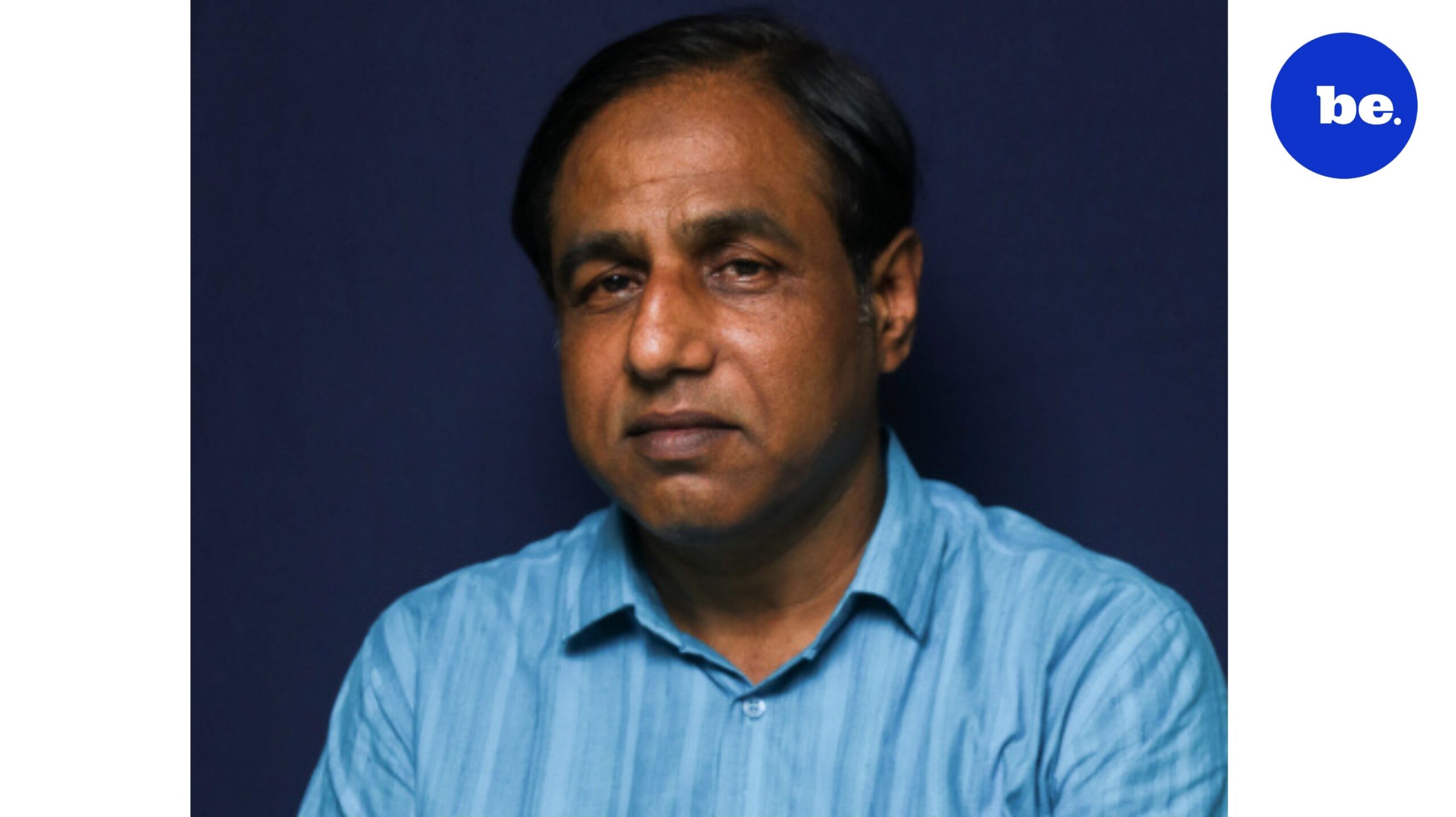
We have all walked past his office at some point, and almost instinctively slowed our steps because there it is, unfailingly familiar: a plate of guavas, offered generously to anyone who walks in. It’s a small gesture that says a great deal about Dr. M. Mahboob Hossain (Professor, MNS), whose warmth and approachability have become just as much a part of campus life as his long academic presence.
Dr. Hossain joined the Microbiology Program of the MNS department at BracU as an Associate Professor in July 2010. When he was an undergraduate student at the University of Dhaka, there was no dedicated program in microbiology. He was studying botany at the time, following a path that seemed conventional and secure. But a single lecture changed everything. A faculty member delved deep into the world of microbiology. That lecture inspired Dr. Hossain to shift from botany to microbiology during his master’s studies. He says, “I was drawn to the field of microbiology because of its ability to contribute to saving humanity.”
During his doctoral studies in the School of Medicine at Shinshu University in Japan, he observed a healthcare system driven by research. He was astounded by the advanced medical practices. He says, “These observations strengthened my hope of bringing similar research-driven healthcare practices where science could directly translate into saved lives.”
When he began his career as a teacher, research opportunities in Bangladesh were limited. Over time, he witnessed a positive shift. Yet challenges remain, particularly in funding and collaboration. Dr. Hossain points out, “The persistent gap between scientists, policy makers, and industrialists must be filled. Until these sectors work together, the true implementation of science will not reach its full potential.”
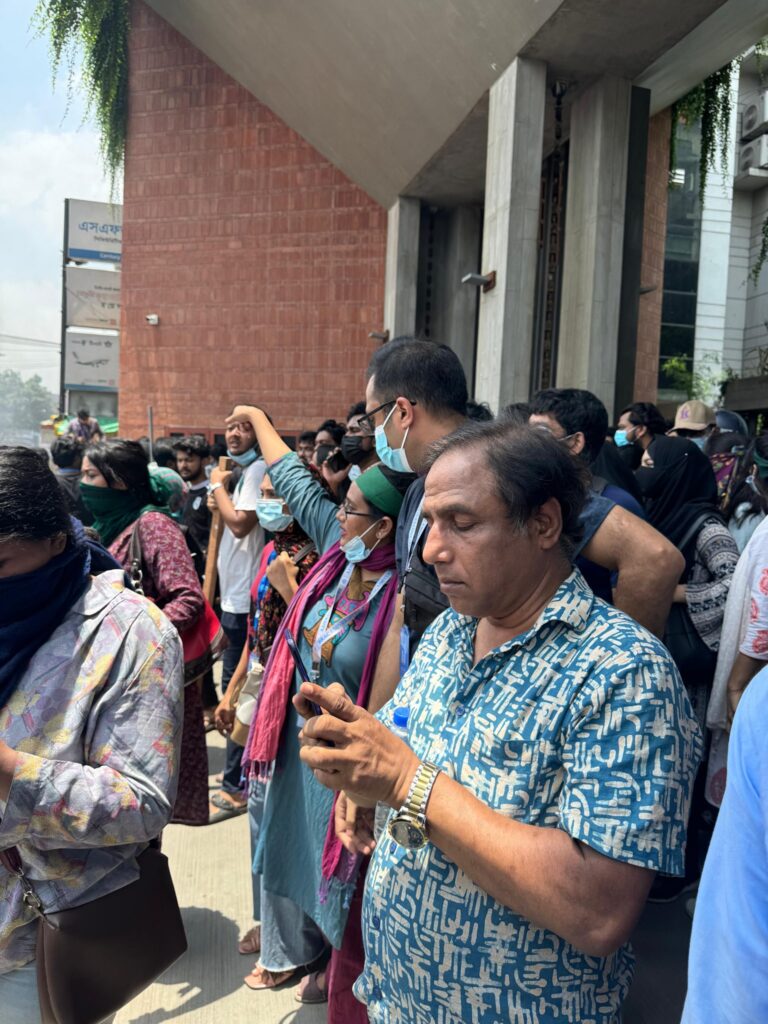
Photo: Collected
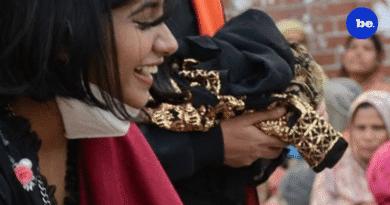
Beyond laboratories and lecture halls, Dr. Hossain believes that a good researcher must carry a commitment to humanity and the resilience to never give up. That belief extends beyond science into his broader worldview. A humanist at heart, he stands firmly against injustice wherever it appears. Recently, he played a visible role as a front-runner in solidarity movements for Palestine. In classrooms, he is often seen wearing a
Palestine pin or t-shirt but not as a political statement, but as a moral one. “The way innocent people, children, and women are being killed goes against everything I stand for as a human being.” He believes, “I am a scientist whose sole aim is to do good for the world. What is happening currently in the world is intolerable.” With this aim in mind, he is working harder to gain traction and solidarity to the global Palestine movement, with the hope of emancipating the oppressed people to a new dawn.
Perhaps this is why the plate of guava matters. It is not just a fruit but rather an invitation. To talk, to question, and to care. In that small act of generosity lies the larger lesson Dr. Hossain imparts: “Science, education, and humanity must always walk together.”