On being human in the age of AI
There’s a peculiar kind of vertigo in watching AI get good at things we think are uniquely ours: writing, drawing, composing, even reasoning. Most of us have watched AI finish in seconds what took us all night, and wondered, somewhere between the second cup of coffee or the third deadline, whether we are still needed.
It is a fair worry. AI is fast, patient, and never needs a nap. But life was never a productivity report, and much of what makes ours worth living has nothing to do with being good at it.
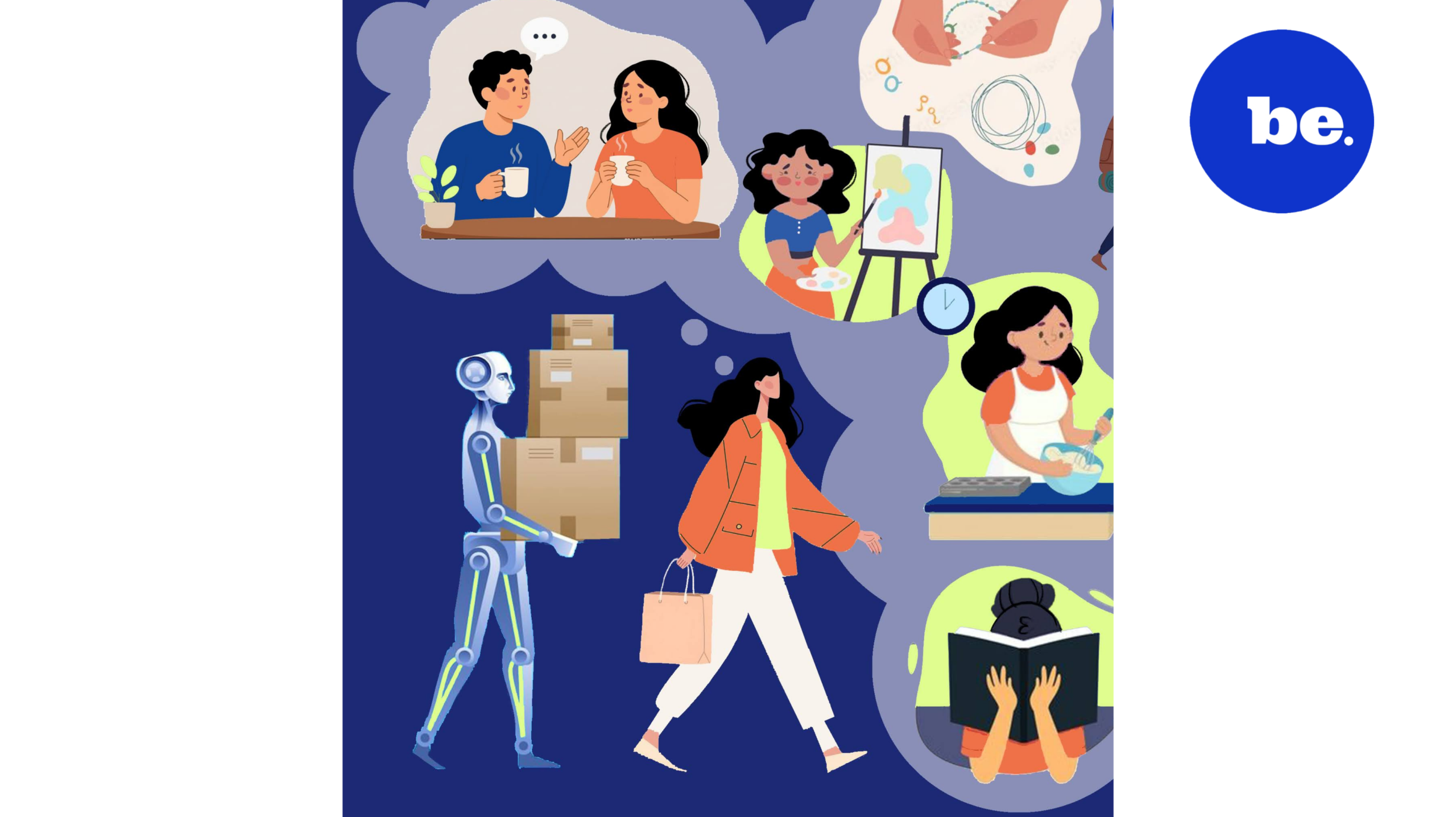
Some things in life are better when nobody tells you how to do them. Choosing a book by its cover, cooking without a recipe, hiking to the mountain peak, making friendship bracelets, keeping objects because they remind you of someone, or falling in love without a compatibility score. The best experiences come from unpredictability.
Humans have historically learned through incompetence. No one begins knowing how to cook, write, dance, negotiate, navigate, or understand people. We fail repeatedly until we find our way. AI threatens to remove that friction, but sometimes the struggle is the education.
The anxiety about jobs and futures isn’t silly. But as Md. Nazmul Hasan (Senior, SLS) remarked, “AI may write a paper in seconds, but it can’t fix a failed experiment or judge what’s right for society.” It’s worth remembering, especially in your twenties, mid-panic about what we’re supposed to become: much of what makes a life worth living was never really work. It was just you, being here, mattering to people in ways no system can replace.
So perhaps the better question isn’t “What can AI not do yet?” but “What are you doing today that only you, with your one specific, breakable, homesick, burnt-out but hopeful body, could be doing?”